Shaolin Kung Fu Training in China
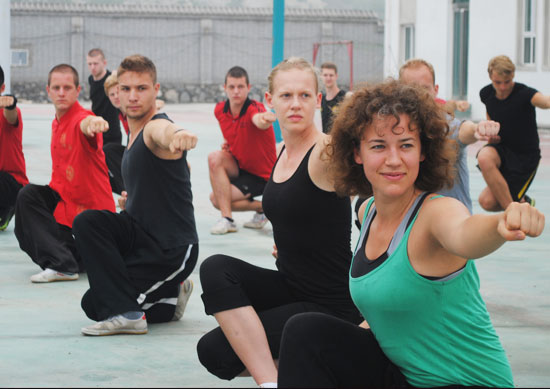
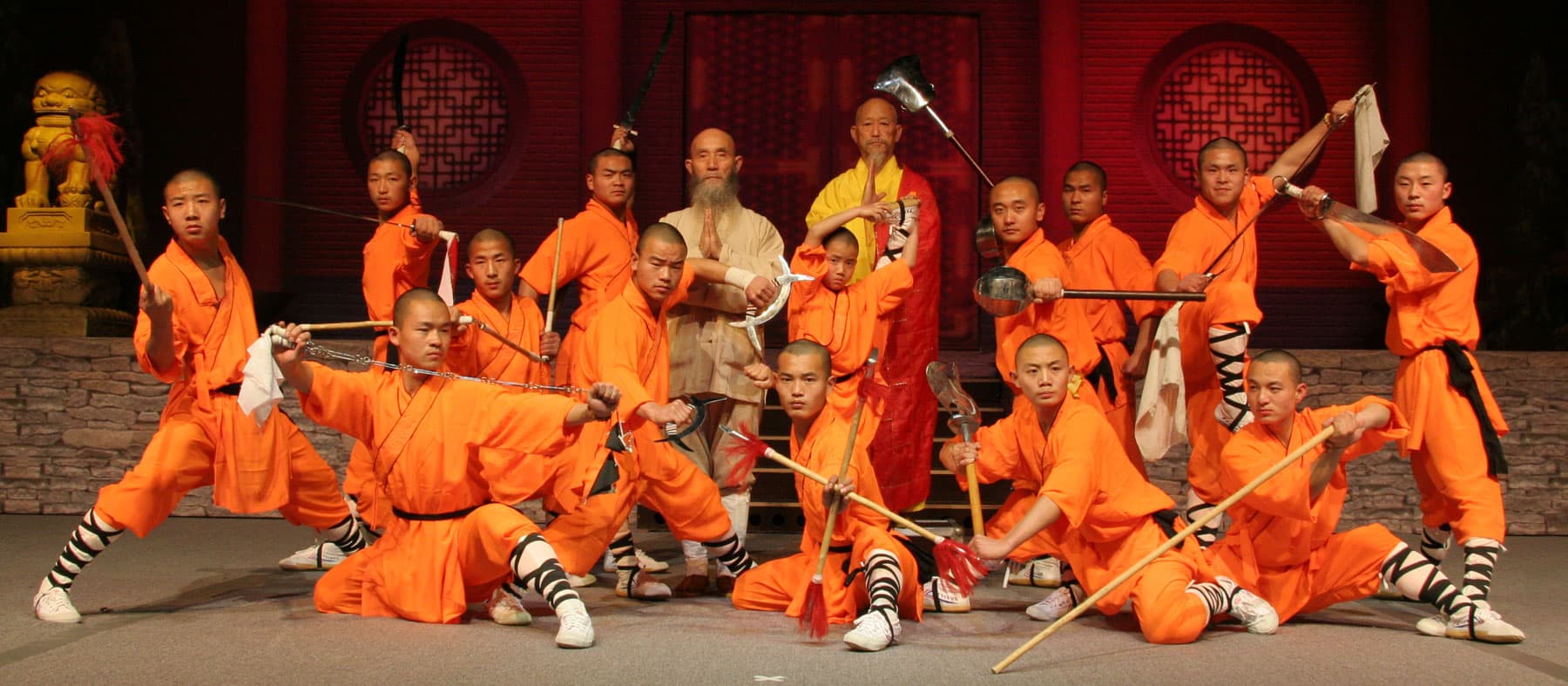
Learn Shaolin Kung Fu the way Shaolin monks train, in the Yuntai Mountains of Henan, the home province of the Shaolin Temple. Our Shaolin Kung Fu classes run six days a week, our Shifus speak English, groups are split by level, and no experience is needed.
No experience neededStart any weekEnglish-speaking ShifusCertificate available
3–4sessions per day
6+hours a day
6days a week
1 weekminimum stay
All-inclusiveTraining, room, 3 meals a day and free pickup
$690 / month (VIP)Less per month for longer stays · All prices ›
Monk trainingTraining programFormsTechniquesAnimal stylesHard Qi GongYour progressBenefitsWho it’s forWomenMastersMind & historyFAQ
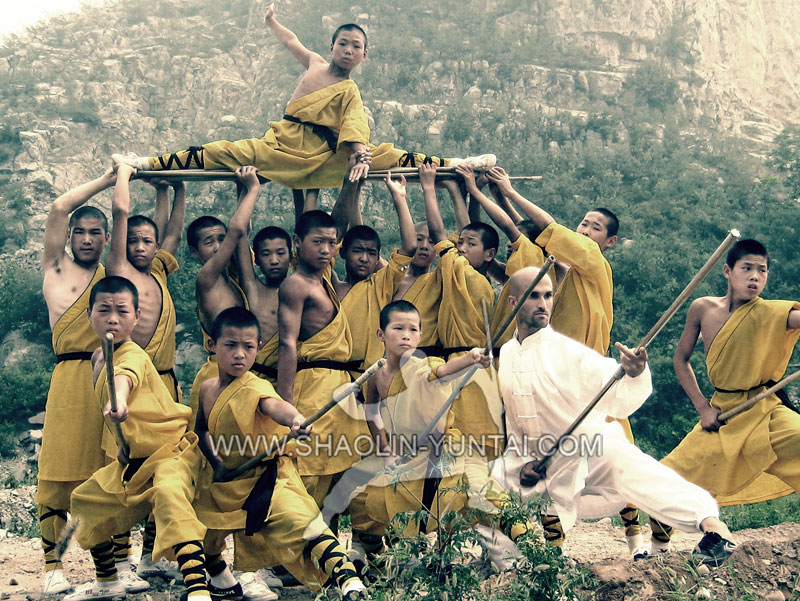
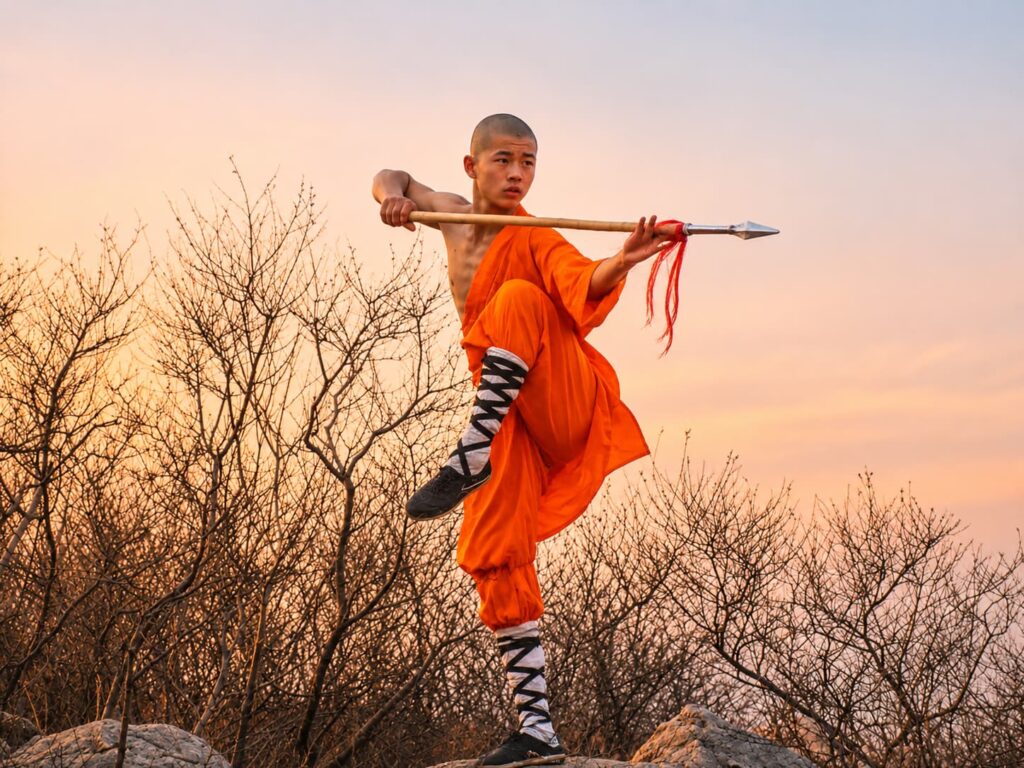

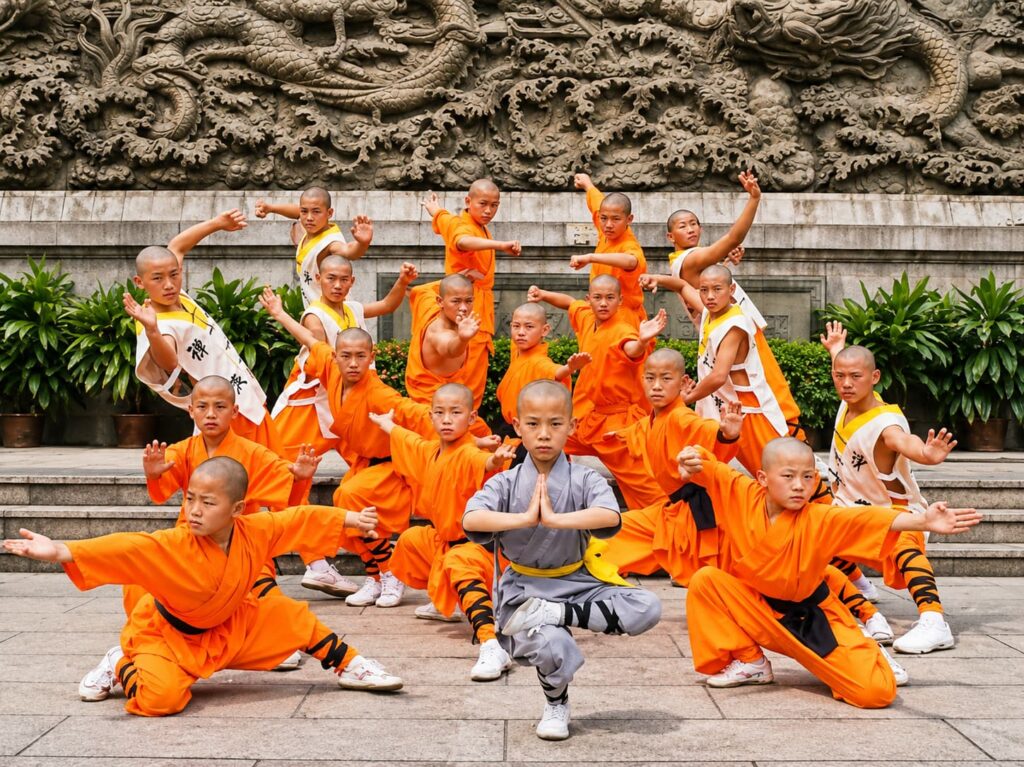

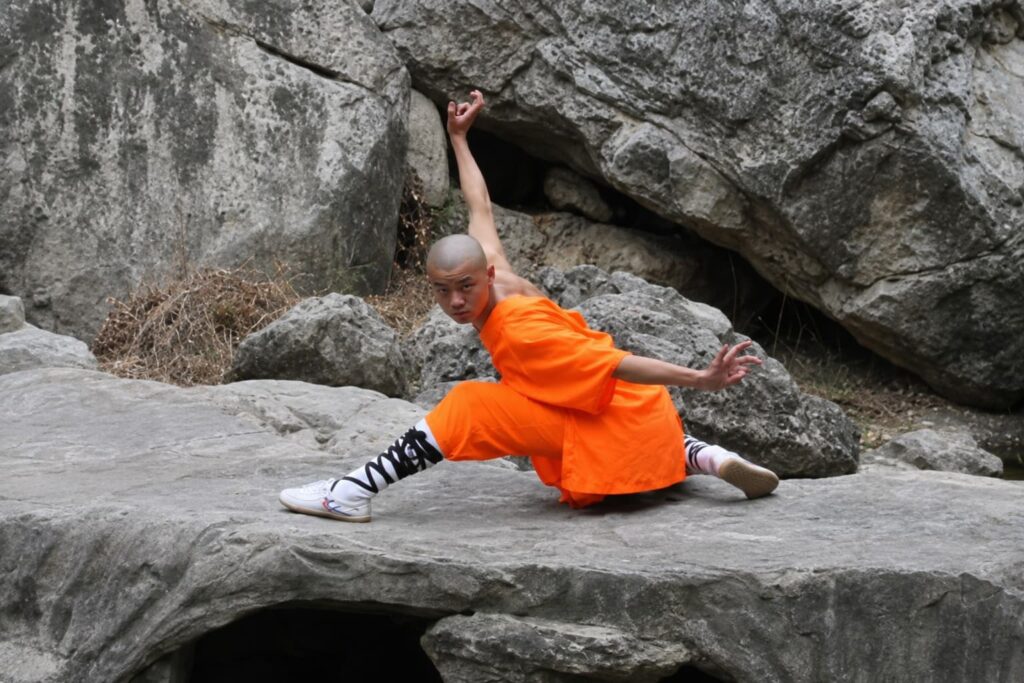
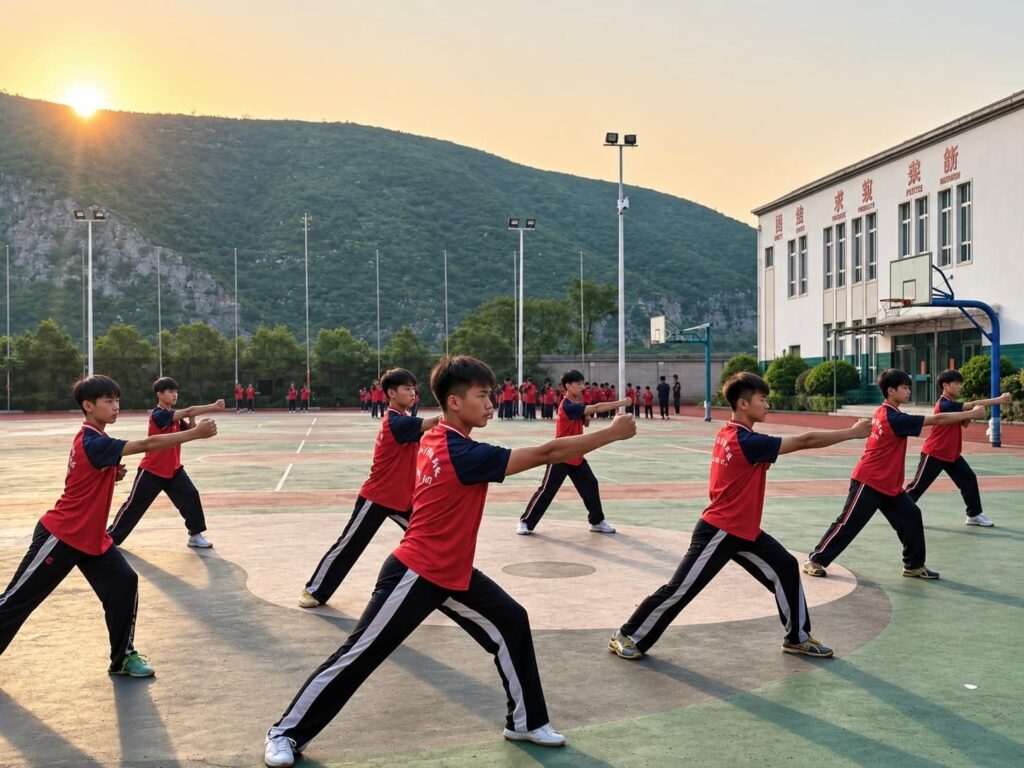
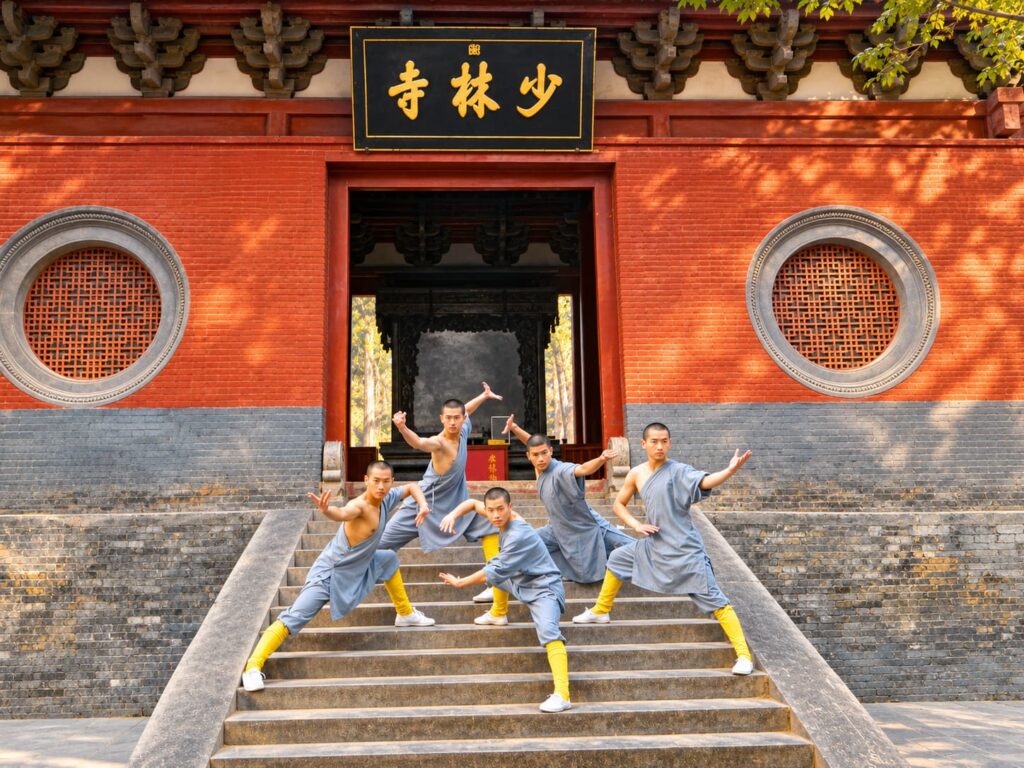
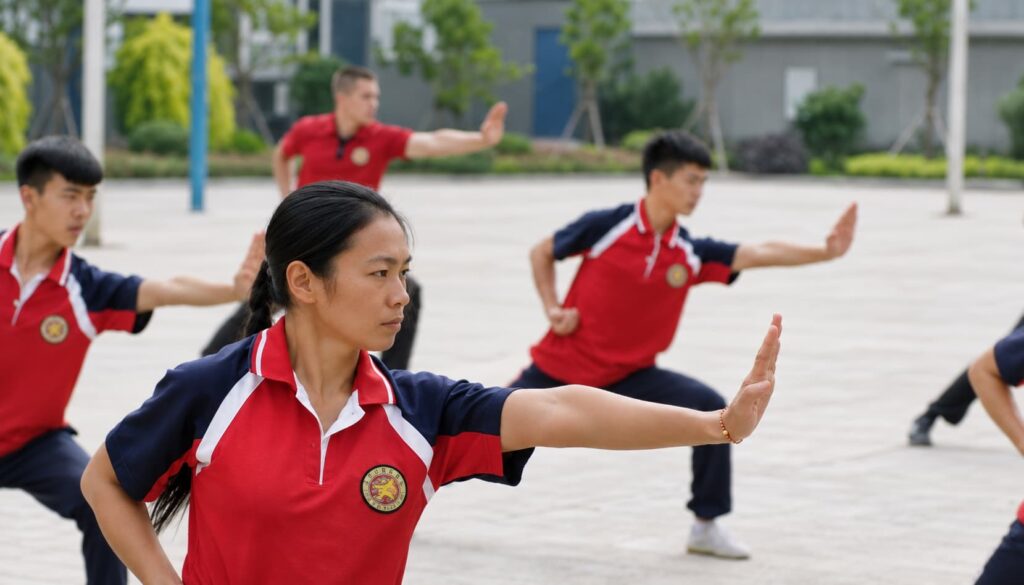
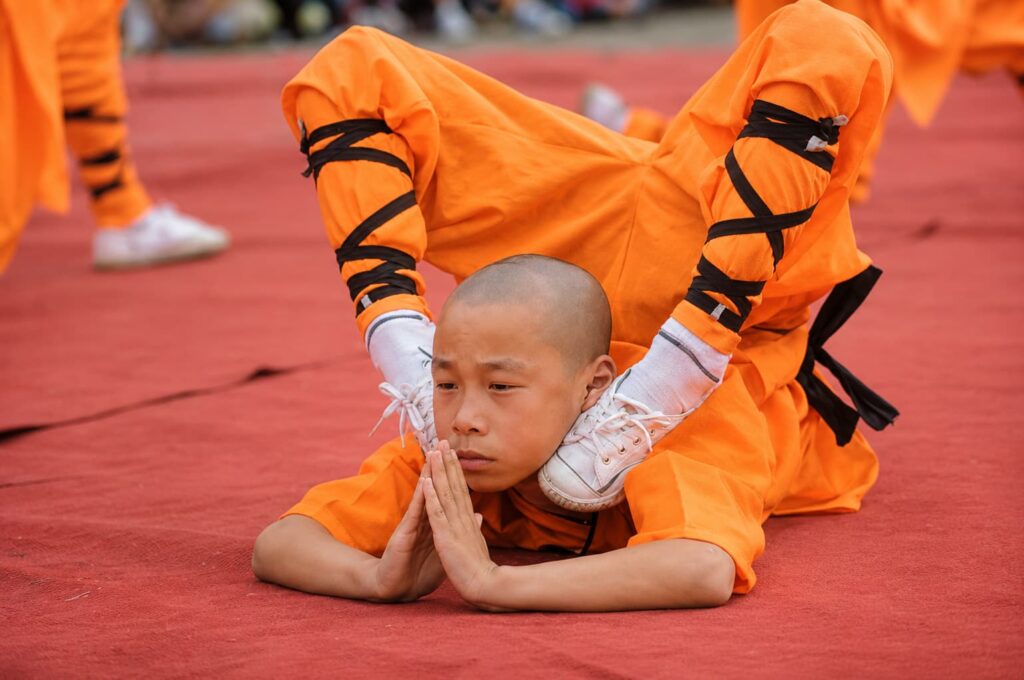
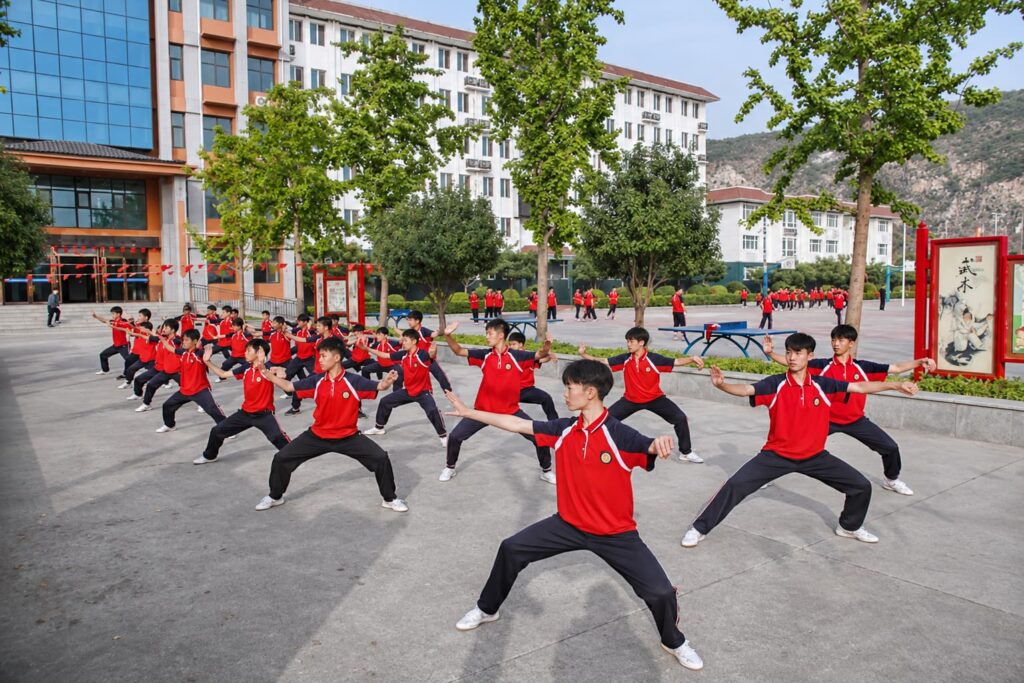
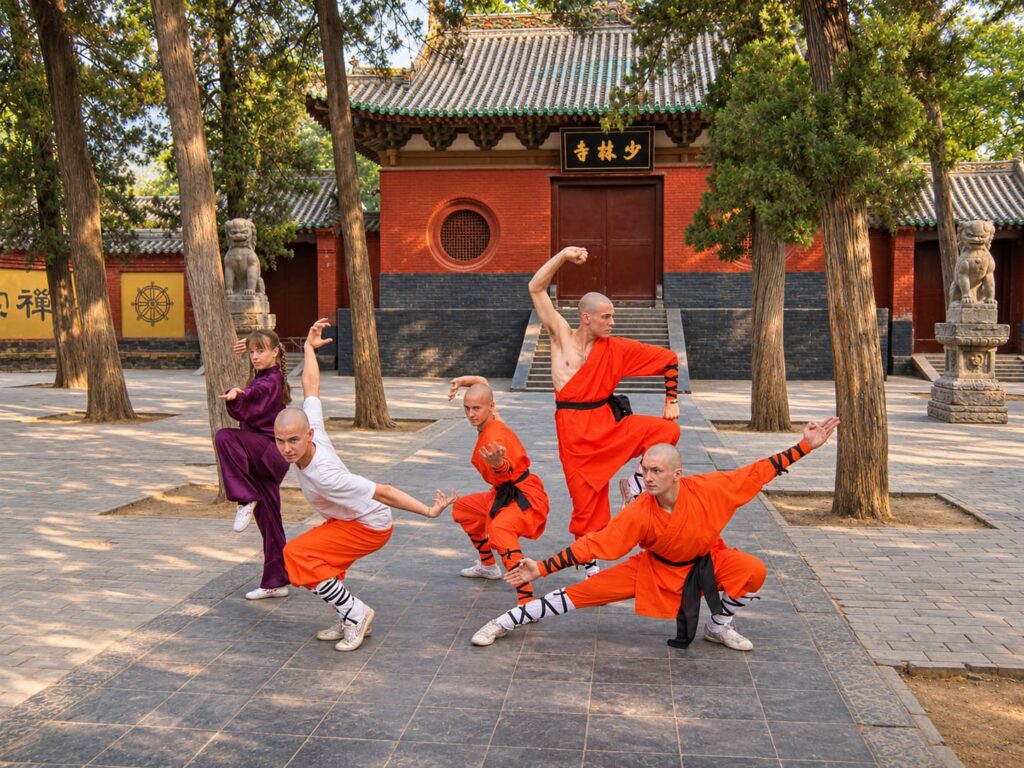
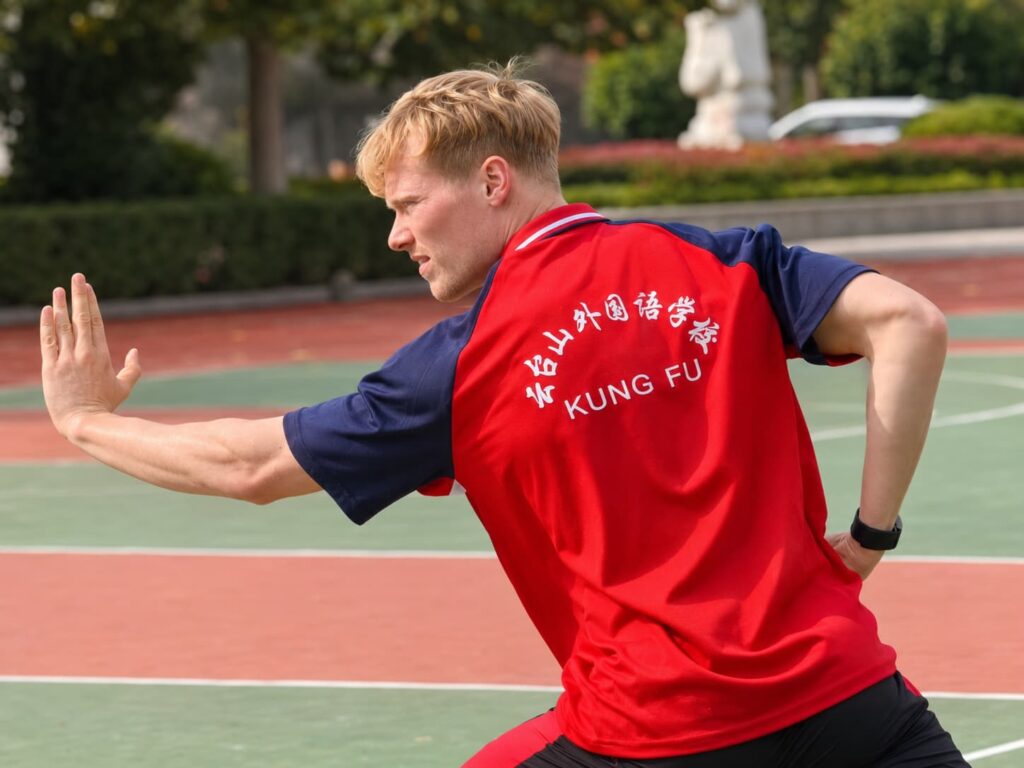
Moments from training at Shaolin Yuntai. Click a photo to enlarge.
Shaolin monk training
Live and train like a Shaolin student.
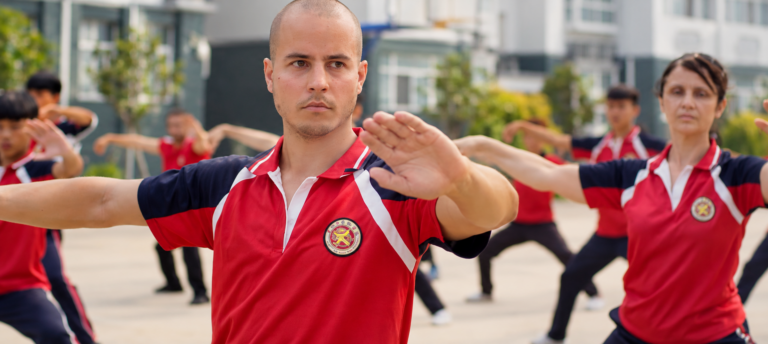
Early mornings, a clear daily rhythm and training six days a week. You don’t need to be a monk, and you don’t need any experience. You just need to be ready to work hard.
06:20–07:10Early morning conditioning: coordination, strength, core or Qi Gong, depending on the day
08:00–11:30Morning training: basics, flexibility, combinations, acrobatics and forms
14:20–17:30Afternoon training: the same building blocks with a different focus, forms every day
19:00–20:30Evening class, open to all: Tai Chi, Sanda, flexibility and forms or training with the Shifus
Meals at 07:10, 11:30 and 17:30. Wednesday morning is free, Sunday is your rest day. Full training schedule
Our Shaolin Kung Fu training program
Everything that makes Shaolin Kung Fu.
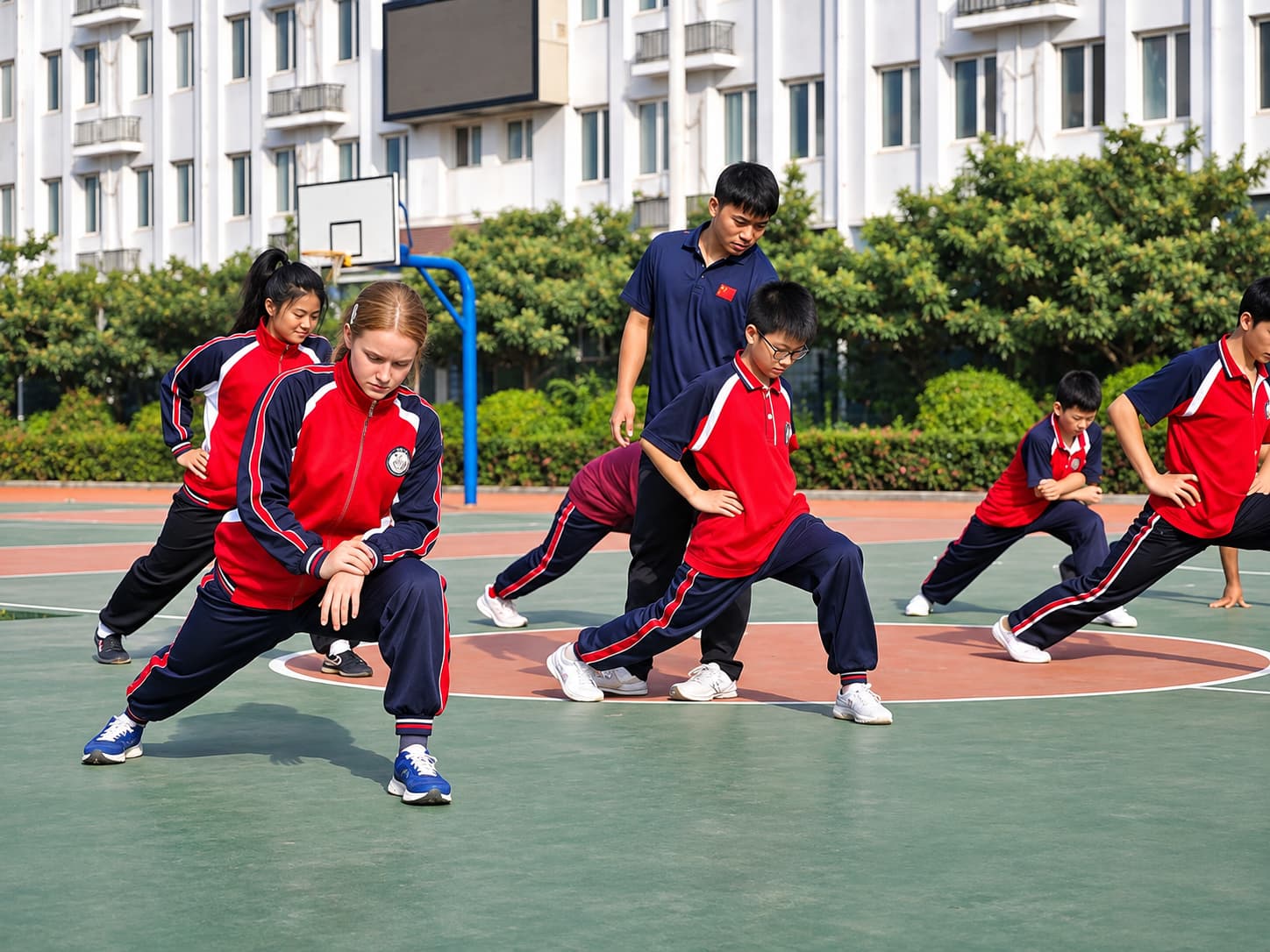
Basics & conditioning
Stances, punches, kicks, footwork and stretching, every day. This is the foundation for everything you learn later.
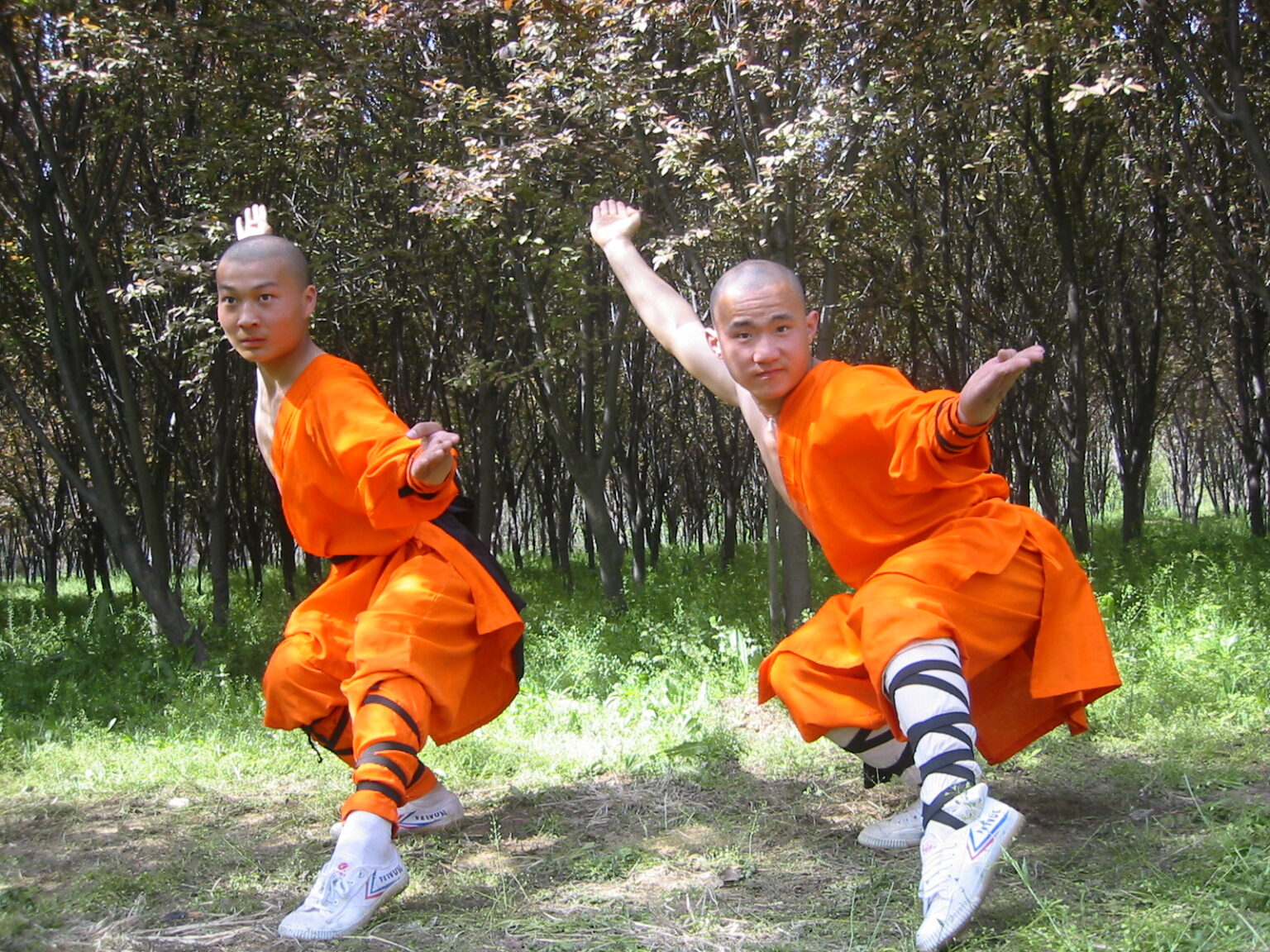
Shaolin forms
Start with Gongfu Quan and Wubu Quan, practised on both sides. Then Xiao Hong Quan, Luohan Quan and more.
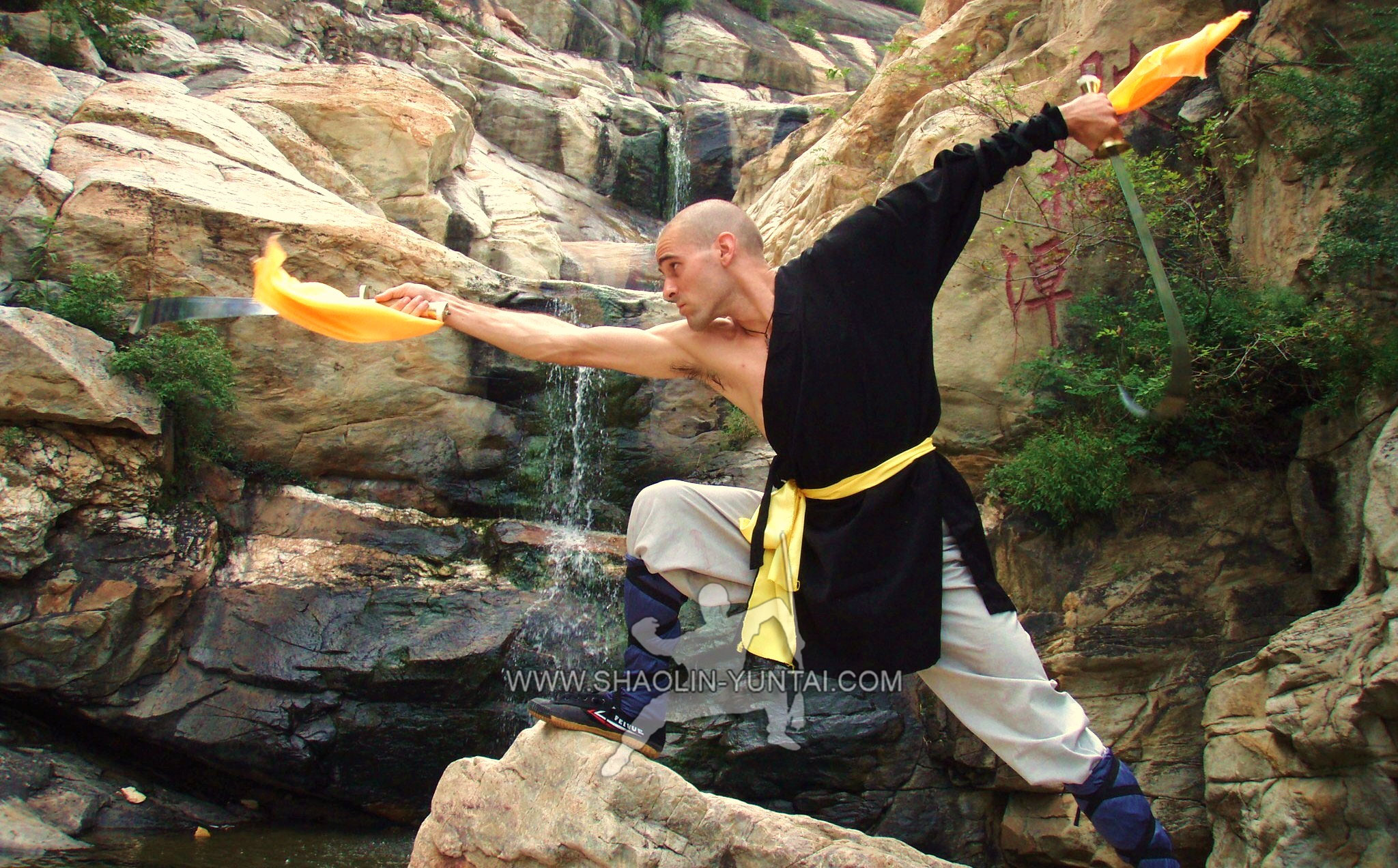
Traditional weapons
Staff, broadsword, spear, sword, nine-section whip, Pudao, fan, meteor hammer and more.

Acrobatics & kicks
Bridge, kip-up, butterfly kick, tornado kick and sweeps, usually after three to six months.
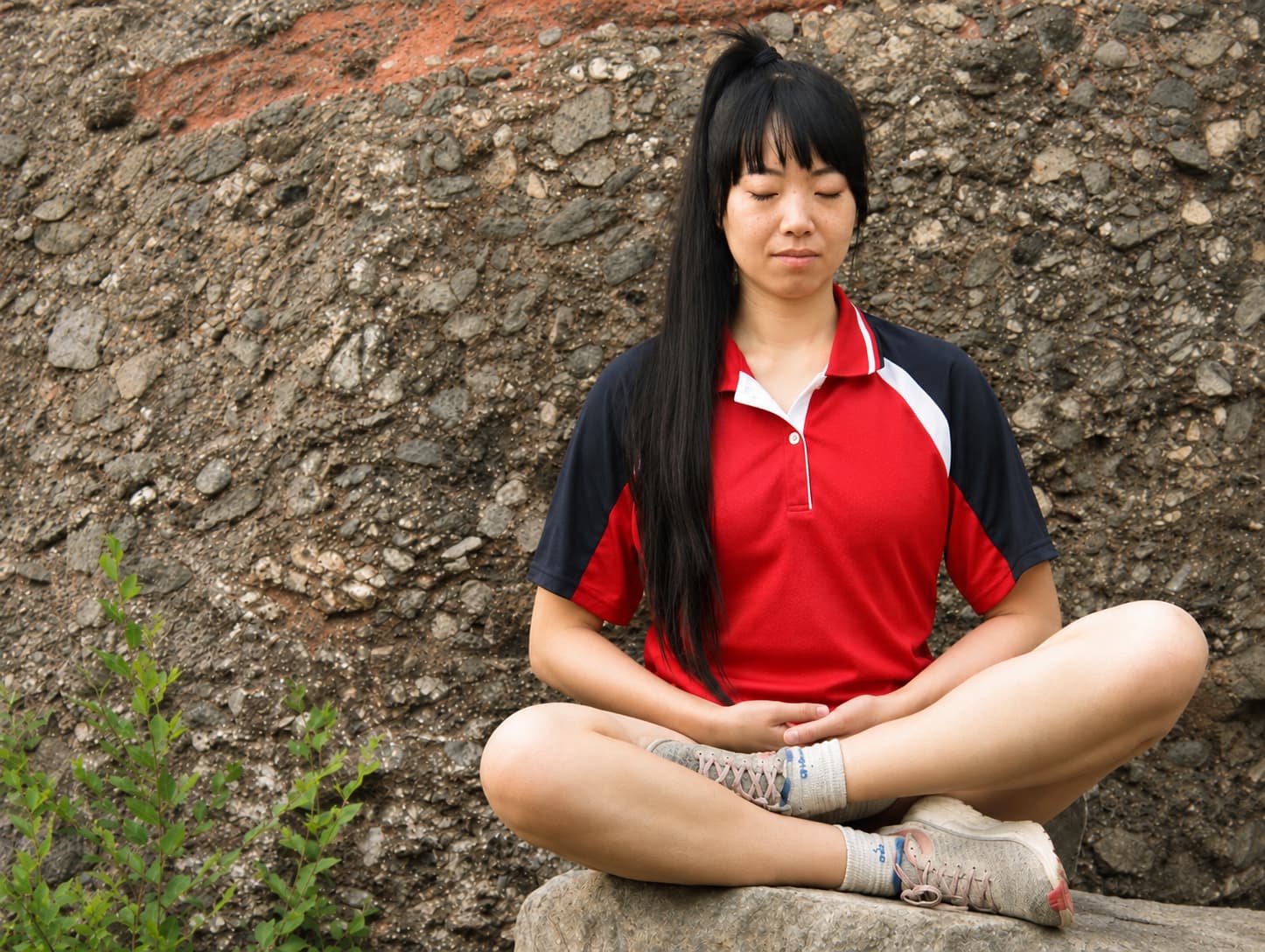
Shaolin Qi Gong
Breathing and energy work as part of the early morning training. More about Qi Gong.
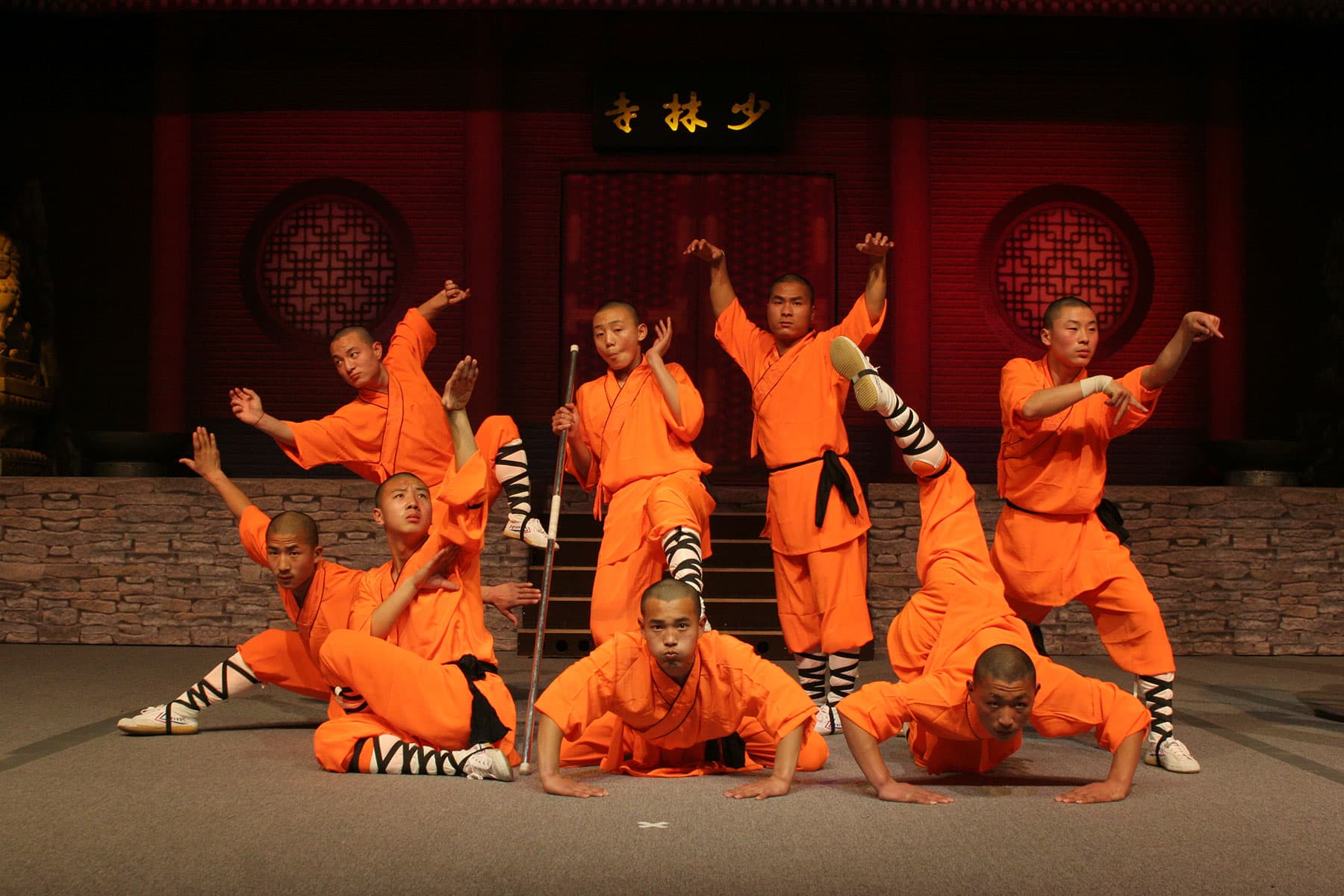
Animal styles
Tiger, crane, leopard, snake and dragon: the five classic animals of Shaolin, plus mantis, monkey and eagle. Shaolin animal styles
Shaolin forms (Taolu)
Learn the forms you want.
Beginners start with Gongfu Quan and Wubu Quan, practised on both sides, left and right, for better coordination. First, your Shifu makes sure your basics are solid: posture, breathing, footwork, punches and kicks. After that, you can learn almost any form or style, also a specific one you have in mind. Some examples:
Xiao Hong Quan · small red fist, a classic Shaolin form
Luohan Quan · the Arhat fist, powerful and grounded
Tongbi Quan · long, whipping arm movements
Hu Quan · tiger form, fast and powerful
Tang Lang Quan · praying mantis, quick hand techniques
Yinshou Gun · Shaolin staff form
Meihua Dao · plum blossom broadsword
Shaolin Qiang · Shaolin spear
Damo Jian · Damo sword
Jiu Jie Bian · nine-section whip
Zui Quan & Zui Gun · drunken fist and drunken staff, taught by Lead Master Yale Yuan
These are only a few examples. Shaolin Kung Fu has hundreds of fist and weapon forms, and our Shifus teach many more than the ones listed here. Want to learn a specific form, weapon or style? Talk to your Shifu when you arrive, and they will plan it into your training once your basics are solid.
Full list: fist, weapon, animal and special forms
Fist forms
Wu Bu Quan
Lian Huan Quan
Xiao Hong Quan
Da Hong Quan
Tong Bei Quan
Xiao Luohan Quan
Da Luohan Quan
Luohan Shiba Shou
Qi Xing Quan
Liu He Quan
Mi Zong Quan
Cha Quan
Hua Quan
Rou Quan
Pi Gua Quan
Ba Ji Quan
Xing Yi Quan
Sun Bin Quan
Weapon forms
Shaolin Gun · staff
Qi Mei Gun · eyebrow-height staff
Di Tang Gun
San Jie Gun · three-section staff
Shaolin Dao · broadsword
Shaolin Jian · straight sword
Shi Zi Jian
Shaolin Qiang · spear
Lian Huan Qiang
Tang Lang Qiang
Chang Qiang · long spear
Shaolin Pu Dao · long-handled broadsword
Guan Dao · halberd
Liu Xing Chui · meteor hammer
Animal forms
Long Xing · dragon
Hu Xing · tiger
He Xing · crane
Bao Xing · leopard
She Xing · snake
Hou Xing · monkey
Ying Xing · eagle
Tang Lang Xing · praying mantis
Special forms
Zui Quan · drunken fist
Shuang Jian · double sword
Hudie Dao · butterfly swords
Gang Bian · steel whip
Shan Zi · fan
Fu · axe
Ba Gua Zhang · eight trigrams palm
Dui Lian · partner forms, also empty hand against weapon
Forms you can learn at our school. The list is not complete: in principle, you can learn any form, and your Shifu plans it with you once your basics are solid.

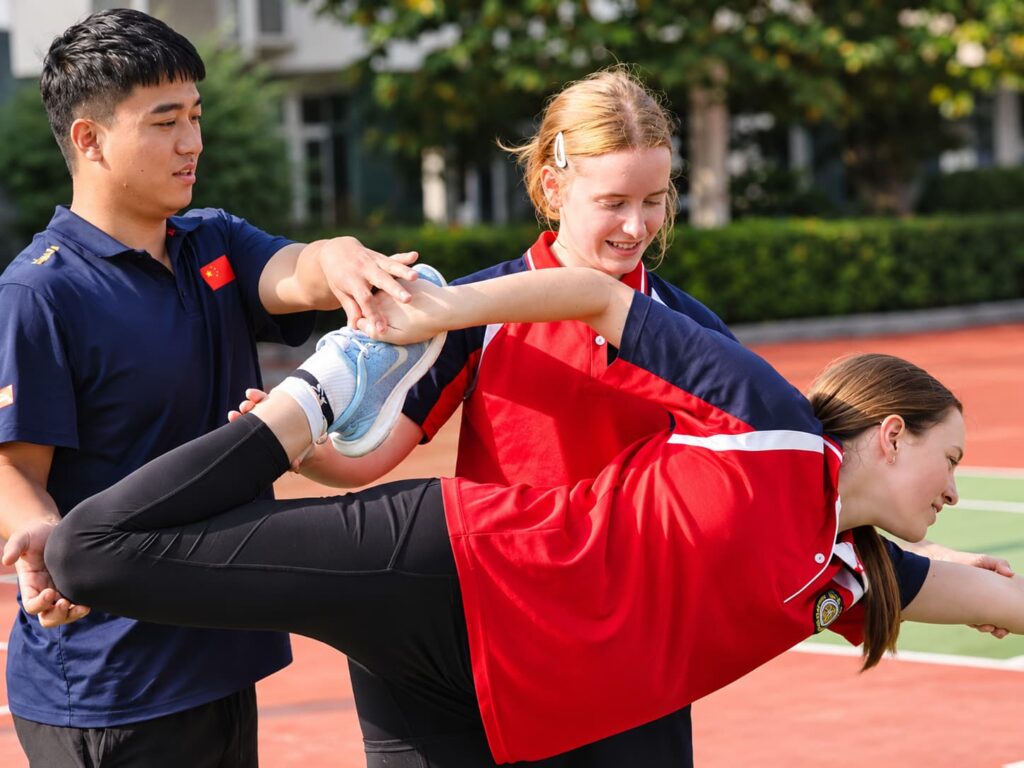
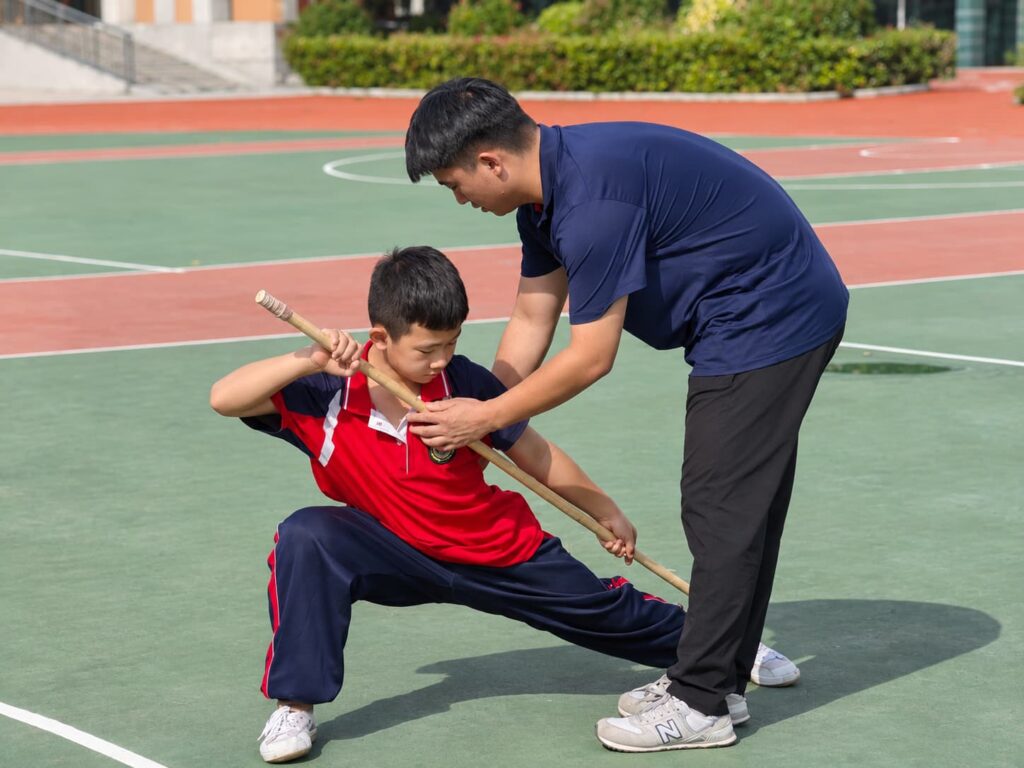
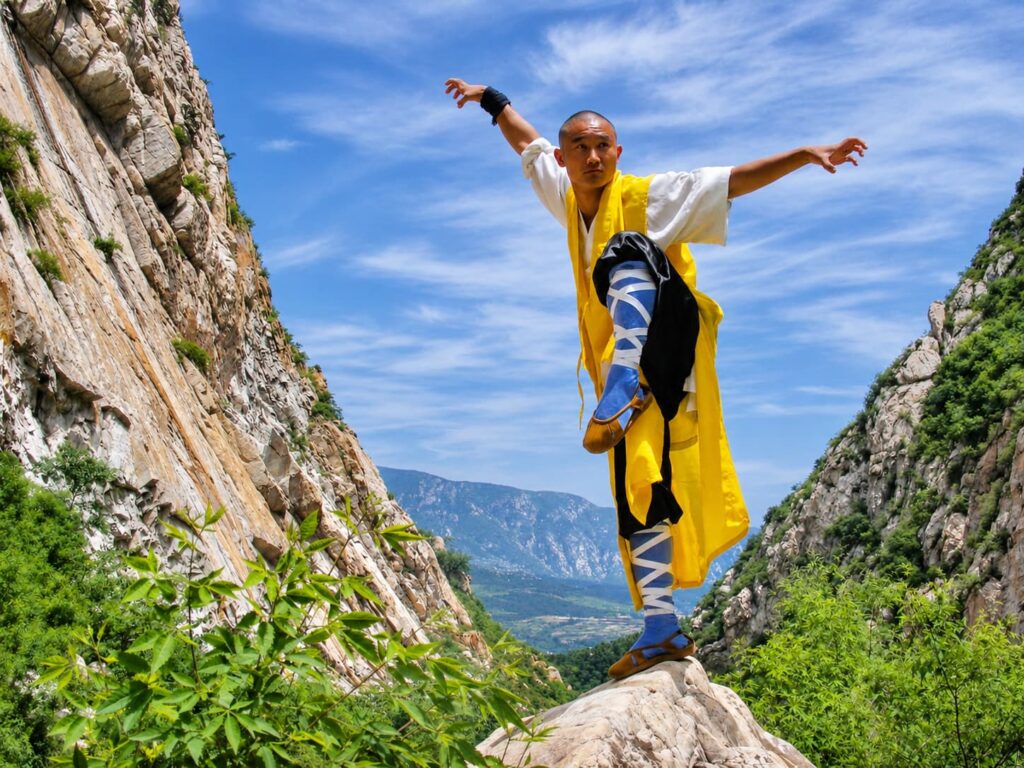
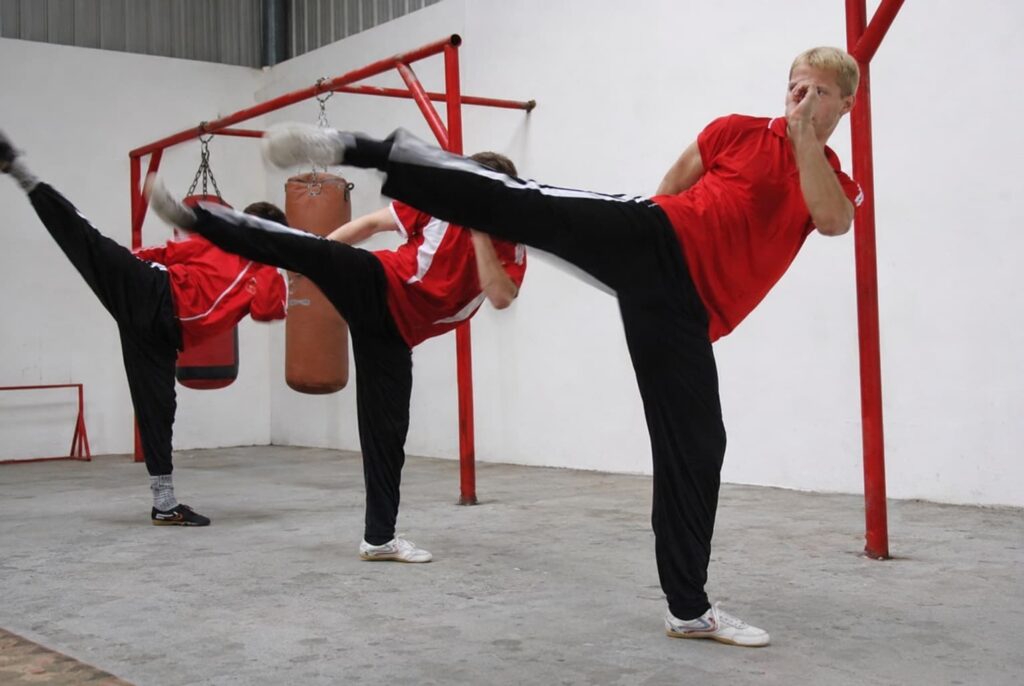
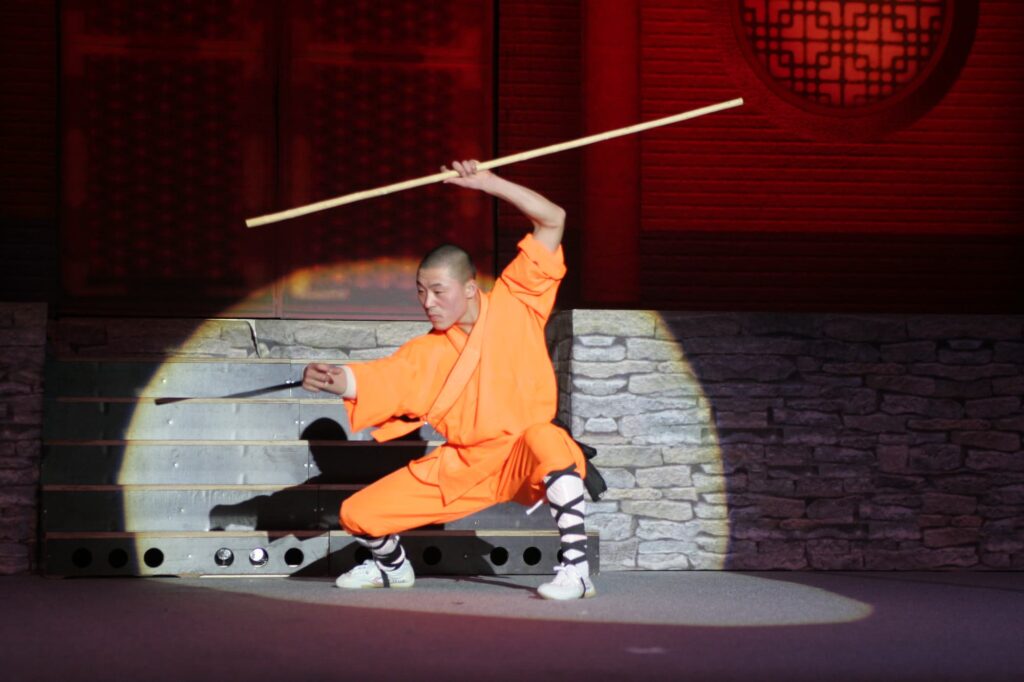
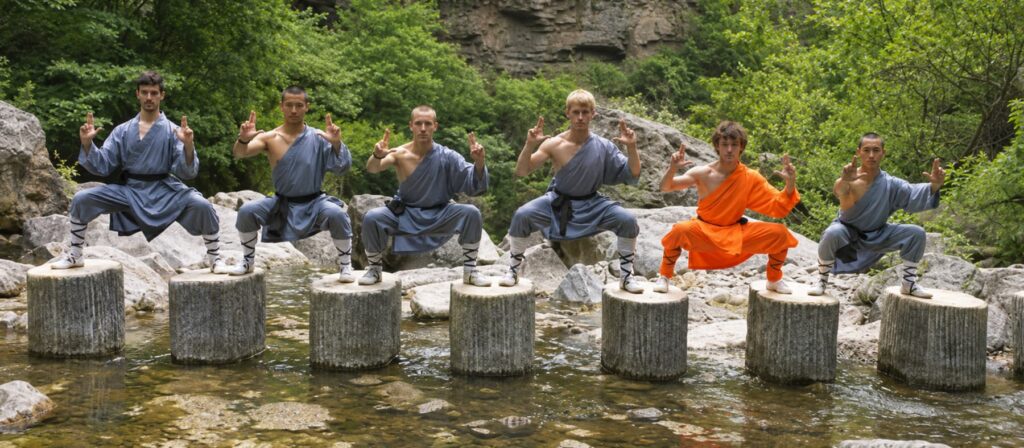
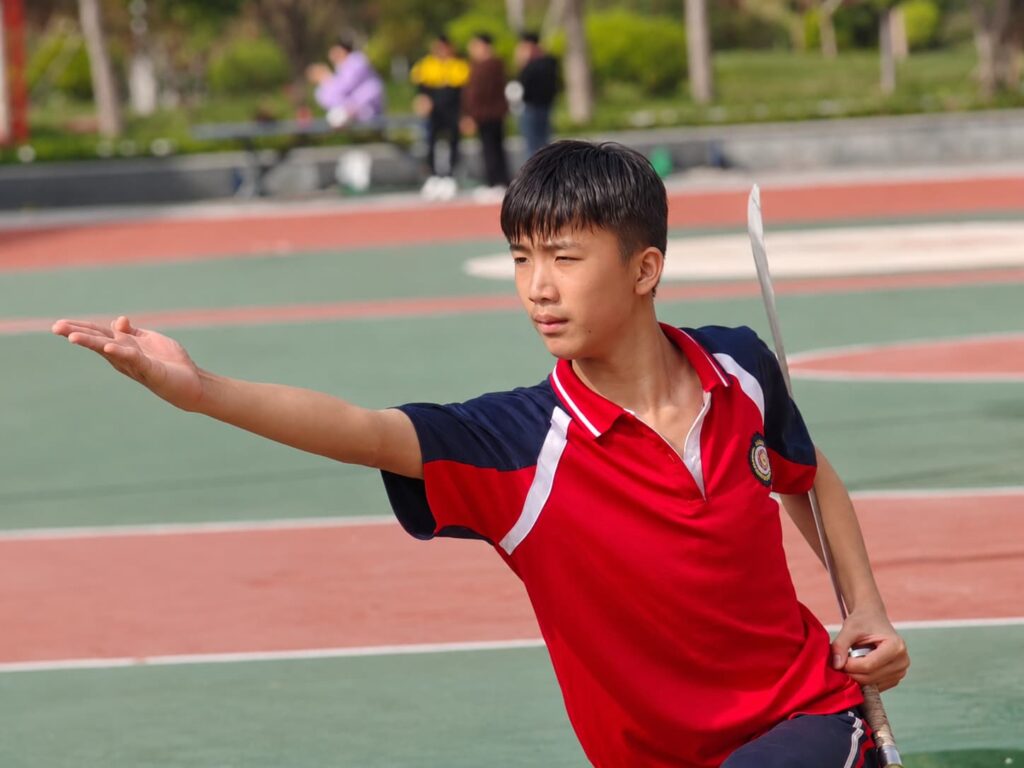
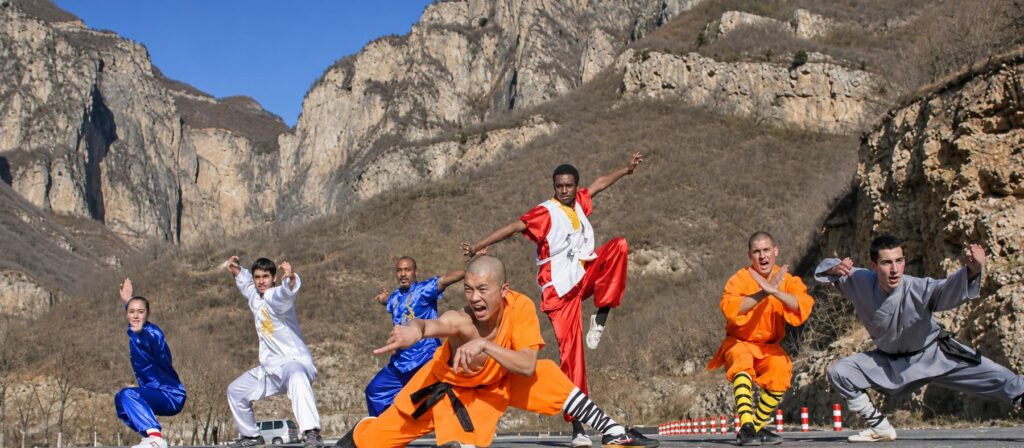
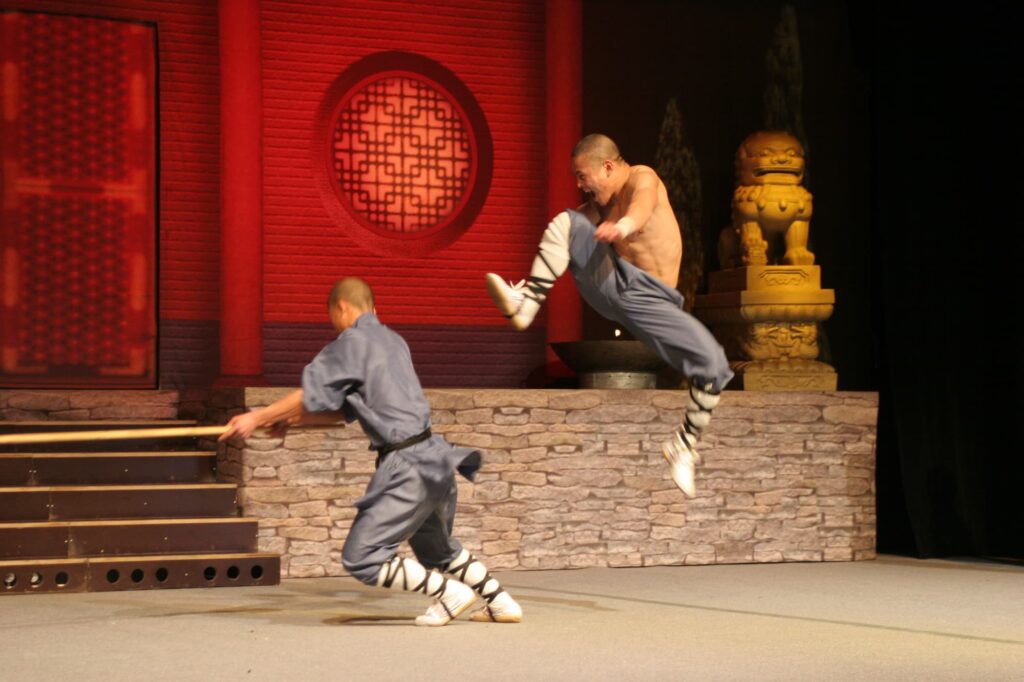
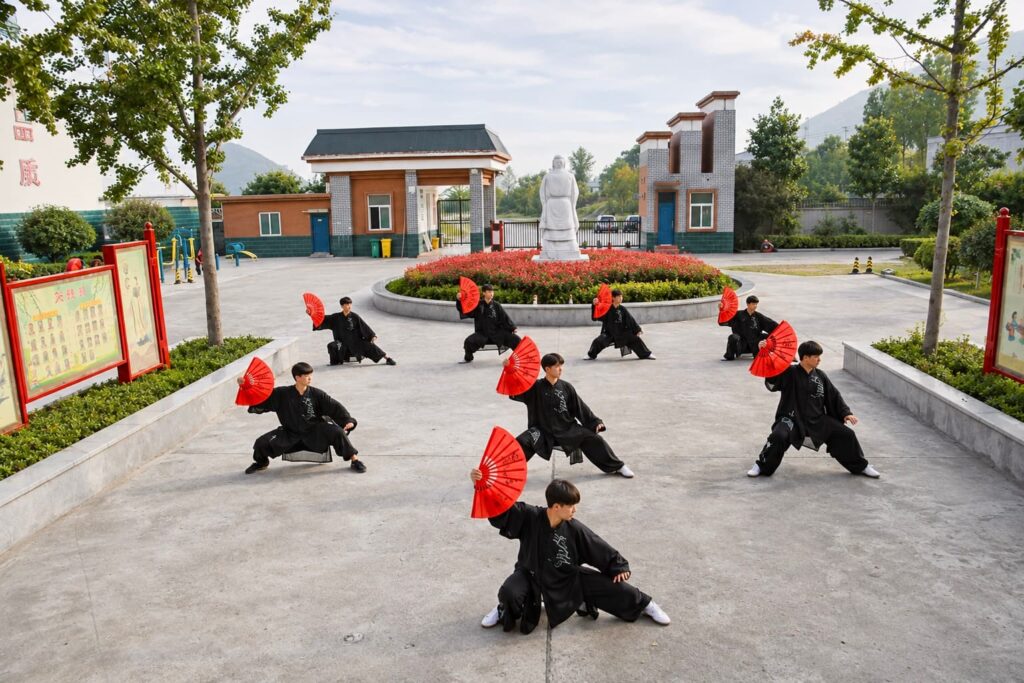
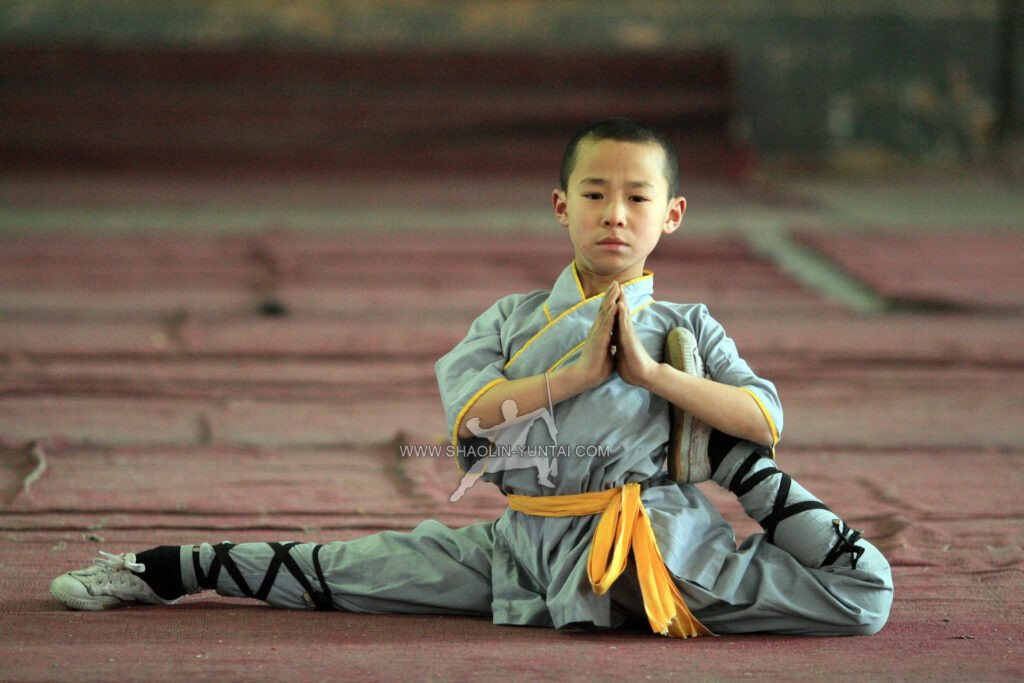
Train like a Shaolin warrior: condition your body, build fighting skills, flexibility and agility.
Shaolin Kung Fu techniques
Hard and soft, empty hand and weapons.
Shaolin Kung Fu is a Northern Chinese style with strong stances, long-range kicks and acrobatic jumps. Hard techniques build power through punches, kicks and conditioning. Soft techniques train flexibility, flowing movement and breathing. Many forms are inspired by animals, see the Shaolin animal styles below.
- Punches, kicks and blocks
- Throws, locks and self-defence
- Stances, footwork and balance
- Qi Gong and breathing
- Fist forms and weapon forms
- Acrobatics and jumps
Hard and soft Kung Fu
Chinese martial arts are often divided into external (hard) and internal (soft) styles. Hard styles like Shaolin Kung Fu focus on strength, speed and conditioning: strong punches, powerful kicks and training that toughens the body. Soft styles like Tai Chi focus on relaxation, breathing and the flow of energy (Qi). Shaolin Kung Fu combines both: you train hard, but you also learn to stay relaxed, breathe correctly and move smoothly.
Northern and Southern styles
A common saying is “Southern fists, Northern legs”. Northern styles like Shaolin Kung Fu use long stances, high kicks, jumps and wide movements. Southern styles, which developed in the south of China, use lower and more stable stances and focus on short-range hand techniques. At our school you train the Northern Shaolin style, and you can add other styles once your basics are solid.
功夫Did you know?
The Chinese word Kung Fu does not mean fighting. It means a skill you achieve through hard work and time, in martial arts or in anything else.
Shaolin animal styles
Move like the tiger and the crane.
Shaolin monks watched animals and turned their movements into fighting techniques. The classic five animals of Shaolin are the tiger, crane, leopard, snake and dragon. Each one trains a different quality, and you find their techniques in many Shaolin forms. The praying mantis, the monkey and the eagle inspired their own famous styles.

 Hu · 虎
Tiger
Strength and power
Strong, low stances and the tiger claw. Tiger form (Hu Quan) is taught at our school.
 He · 鹤
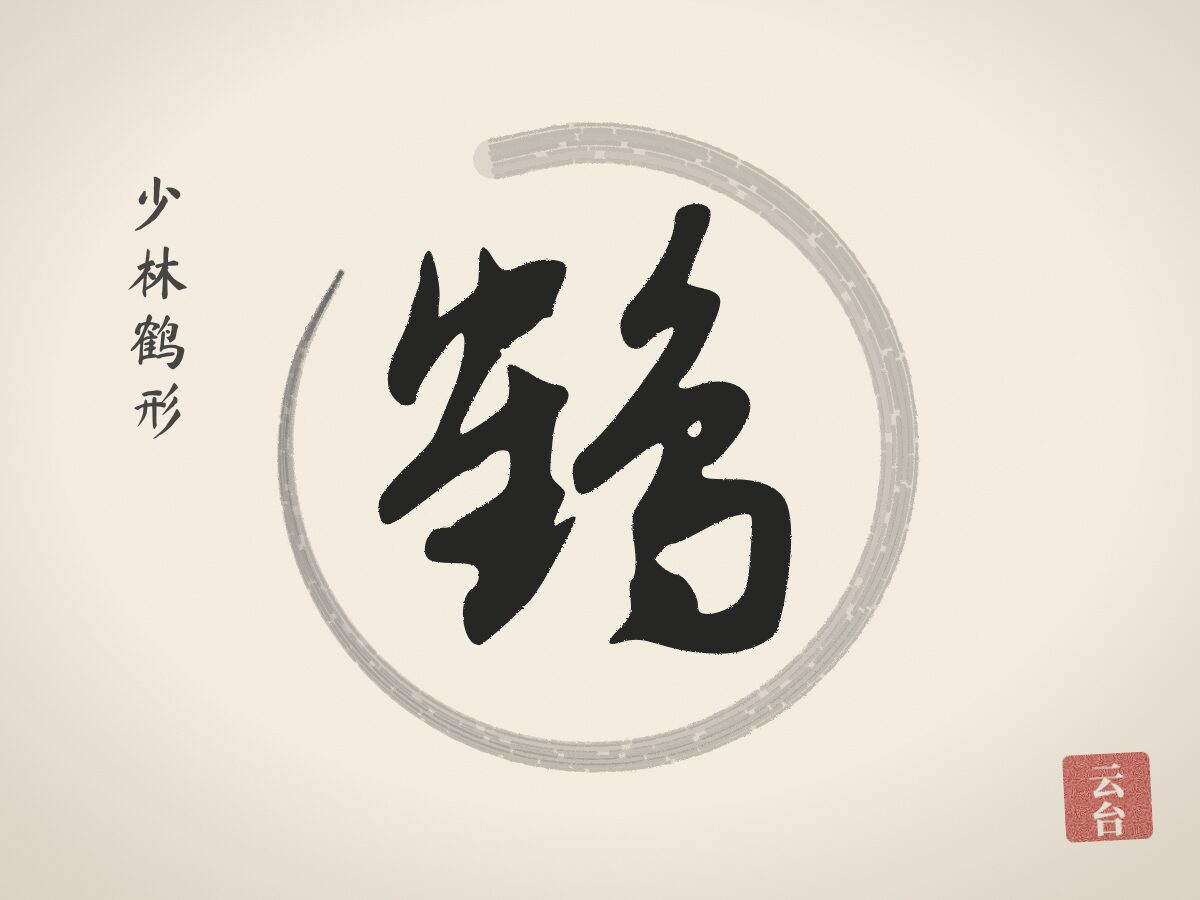
Crane
Balance and precision
One-leg stances, wing-like blocks and the pointed crane beak strike.
 Bao · 豹
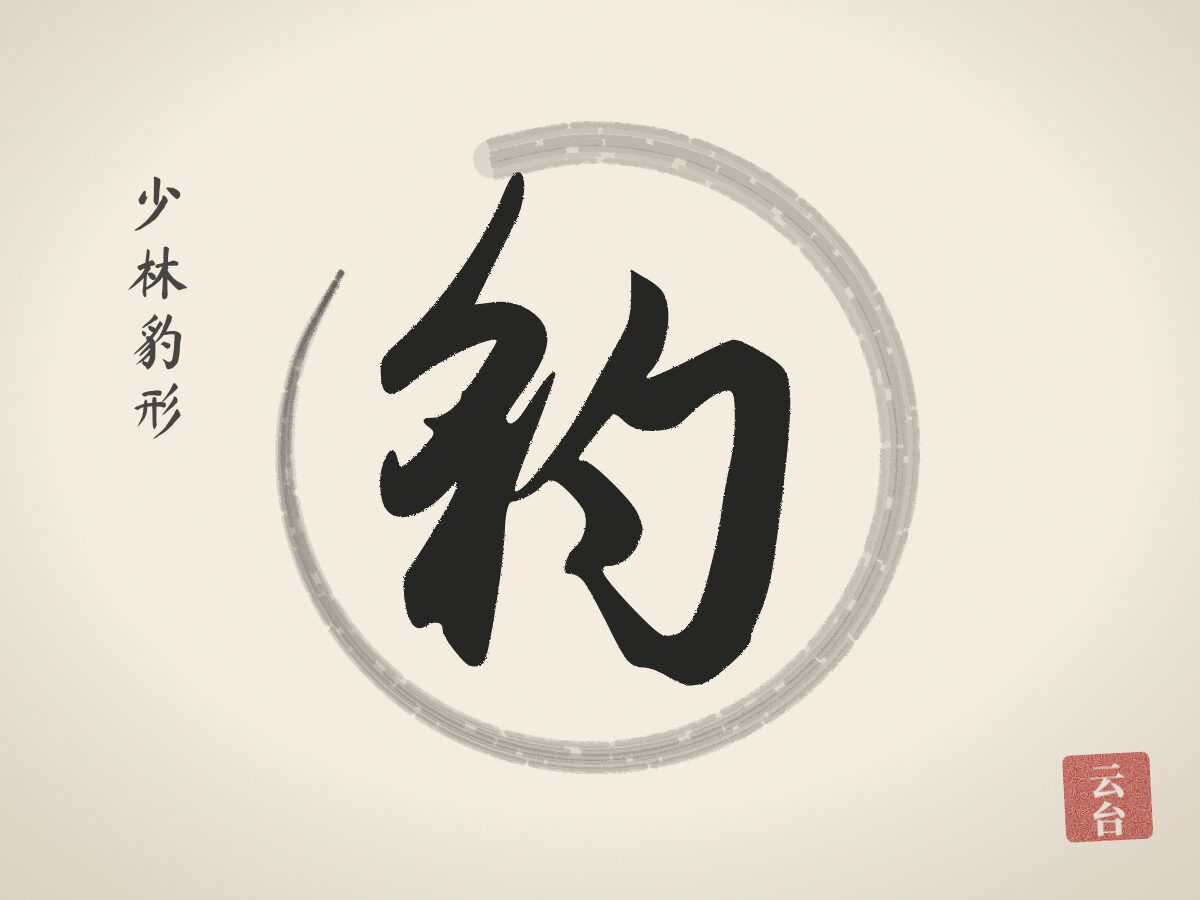
Leopard
Speed
Short, fast attacks with the leopard fist, the half-closed hand.
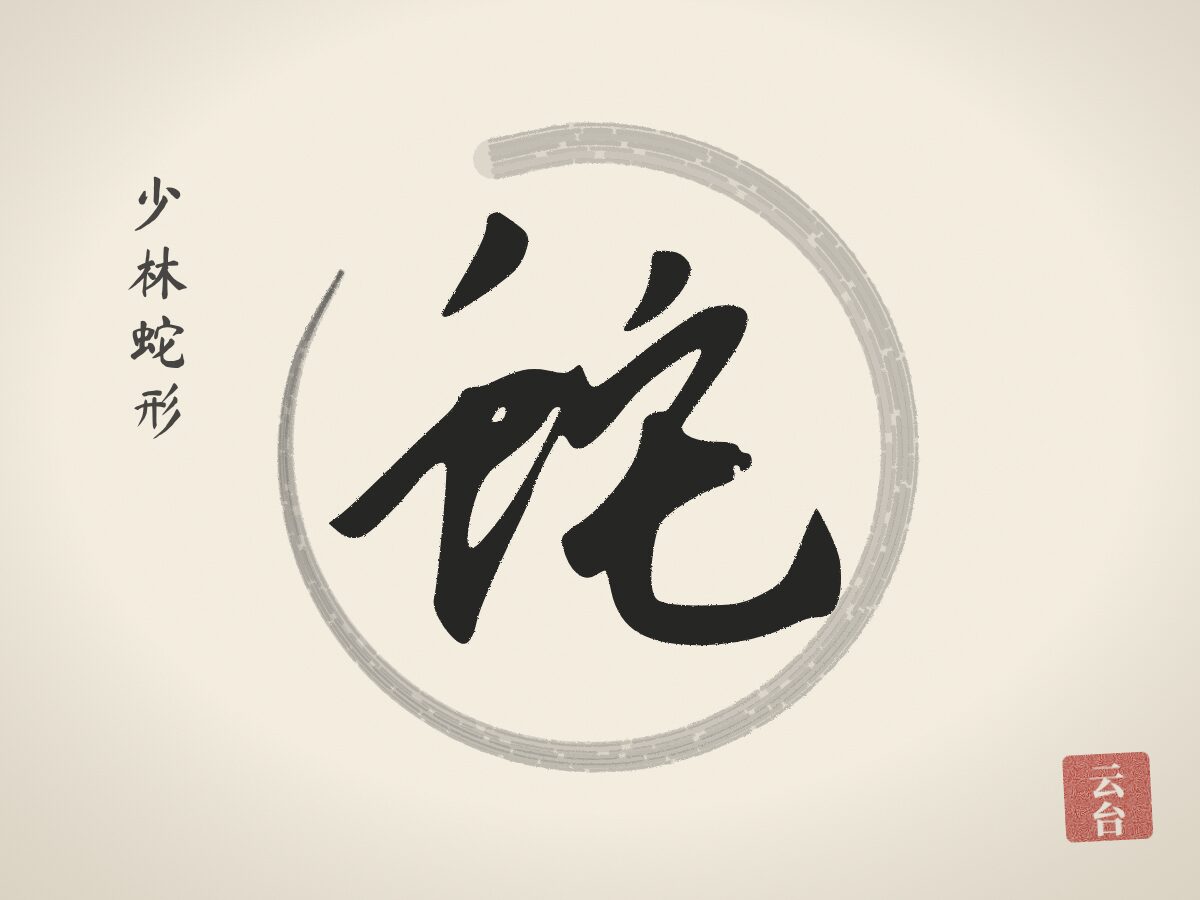
 She · 蛇
Snake
Flexibility and flowing power
Soft, whipping movements and quick finger strikes.

 Long · 龙
Dragon
Spirit and focus
Circular, flowing movements that link body, breath and mind.
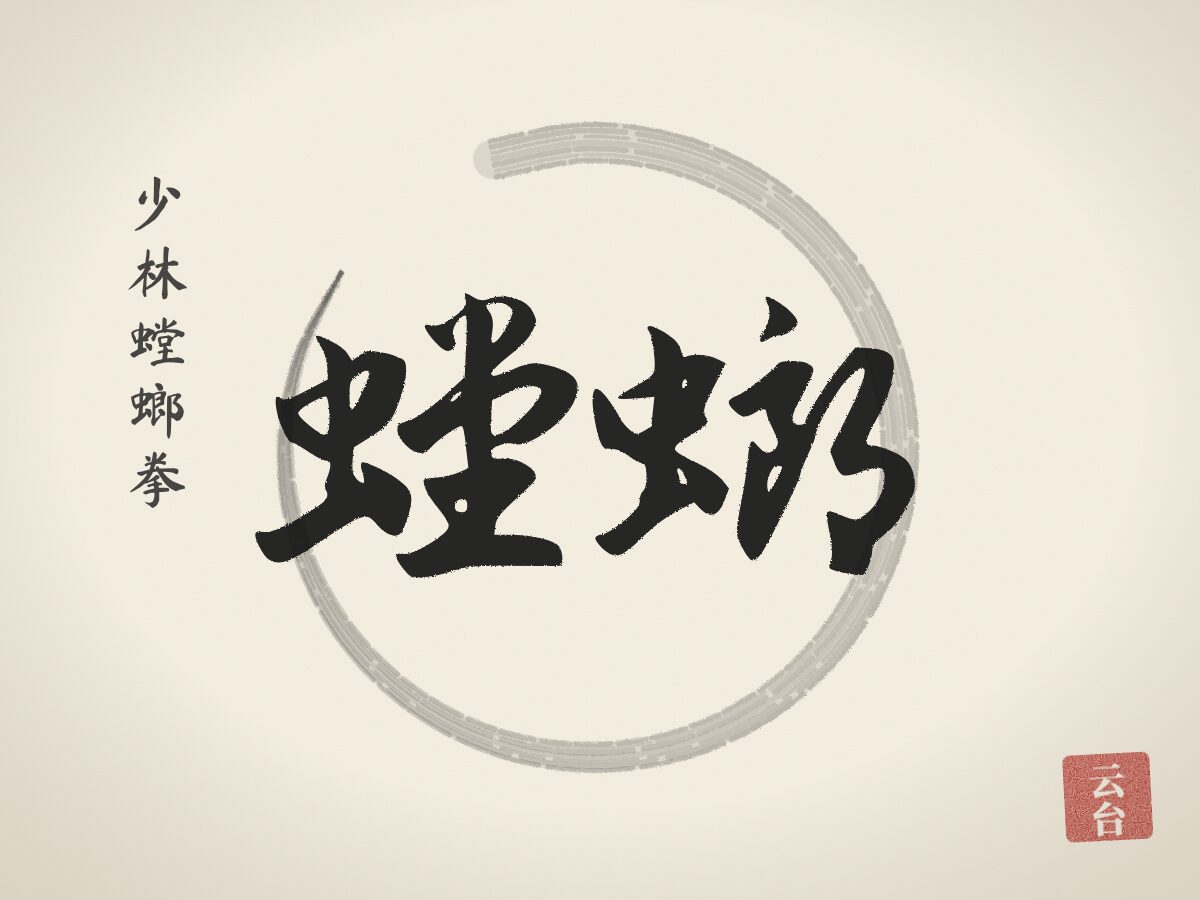
 Tang Lang · 螳螂
Praying mantis
Quick hands
Hooking and trapping hand techniques. Tang Lang Quan is taught at our school.
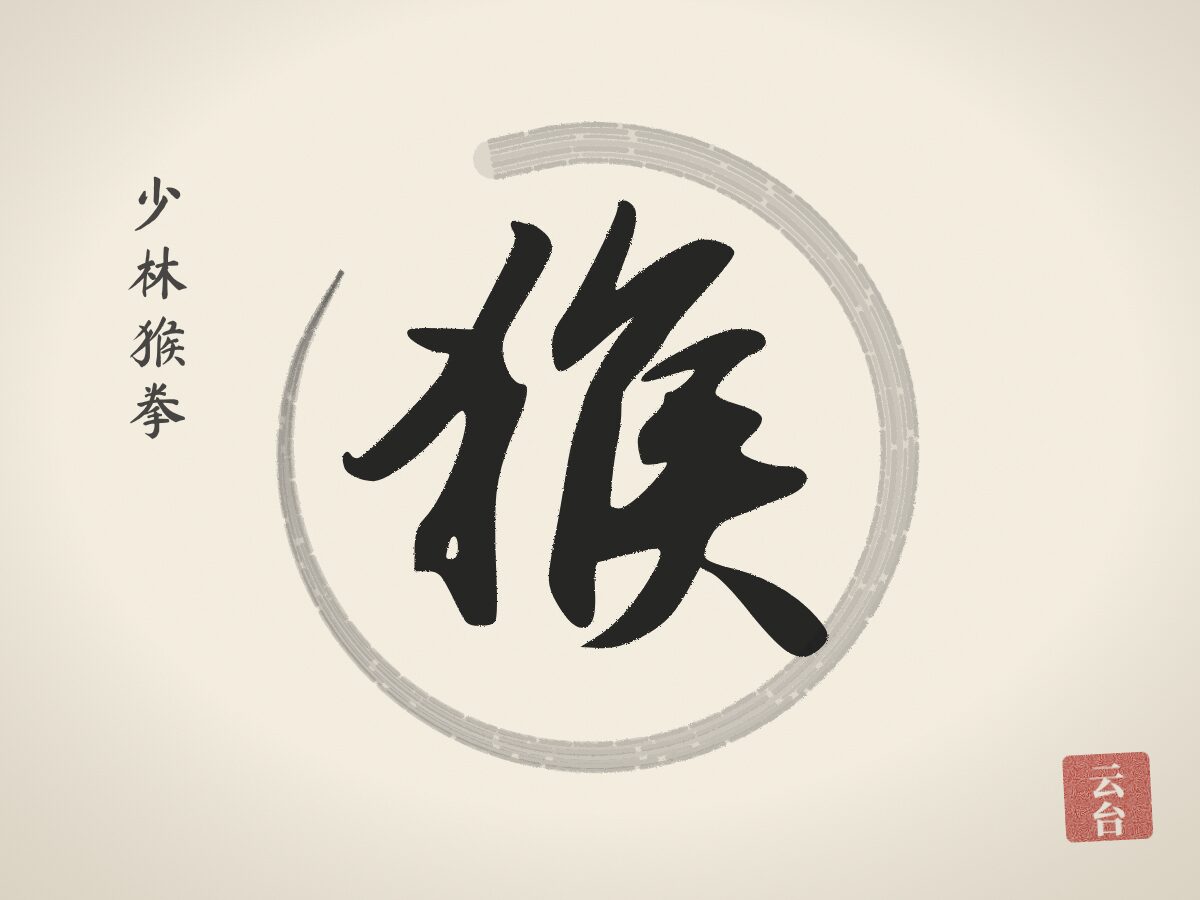
 Hou · 猴
Monkey
Agility
Quick, playful movements, rolls and tumbles that surprise the opponent.
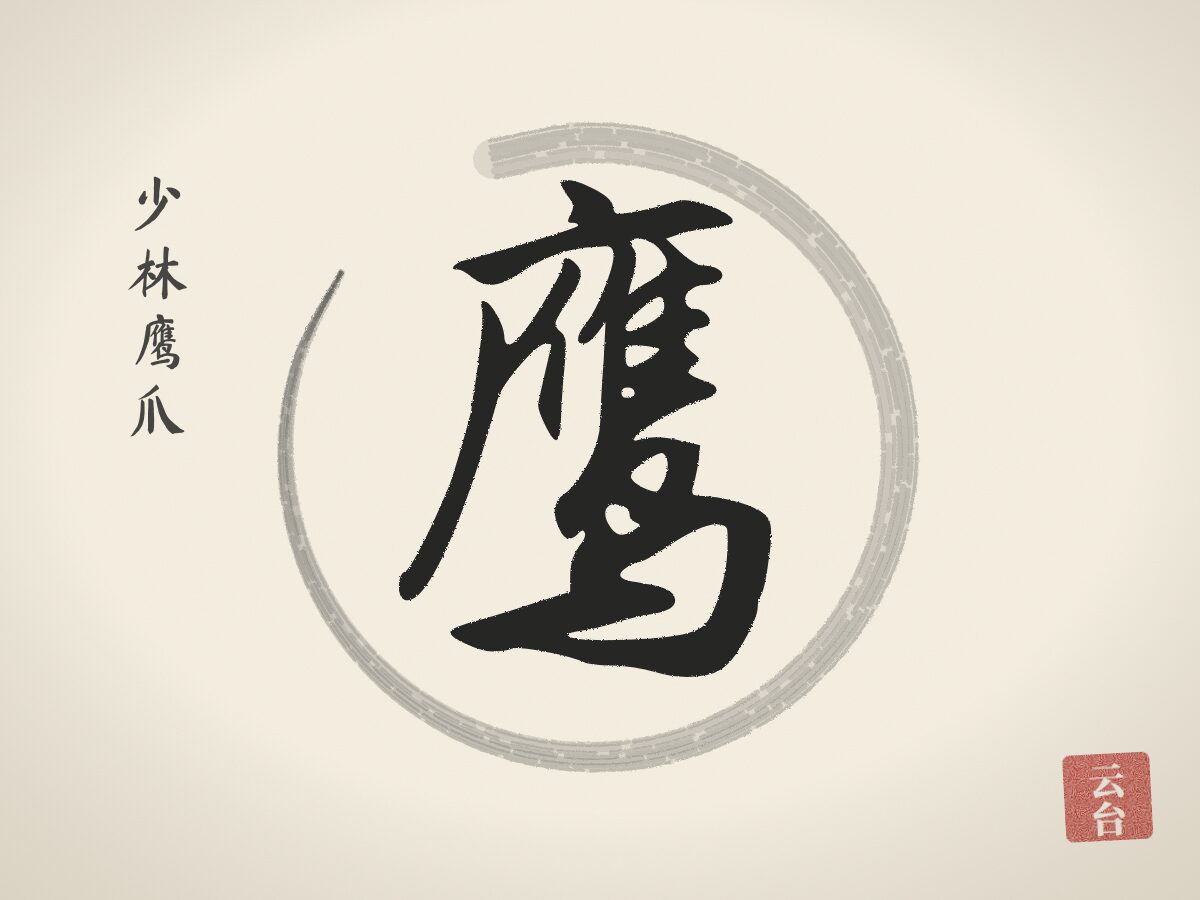
 Ying · 鹰
Eagle
Grip and control
The eagle claw: strong grabbing techniques, joint locks and precise strikes.
Want to focus on an animal style? Talk to your Shifu when you arrive, and they will build it into your training after the basics.
Shaolin hard Qi Gong and performances
Iron body, iron mind.
Shaolin monks are famous for their hard Qi Gong, for example throwing a needle through a pane of glass, breaking iron bars on the head or bending a spear pressed against the throat. These are only a few of many demonstrations. Behind each one are years of breathing work, conditioning and mental focus.


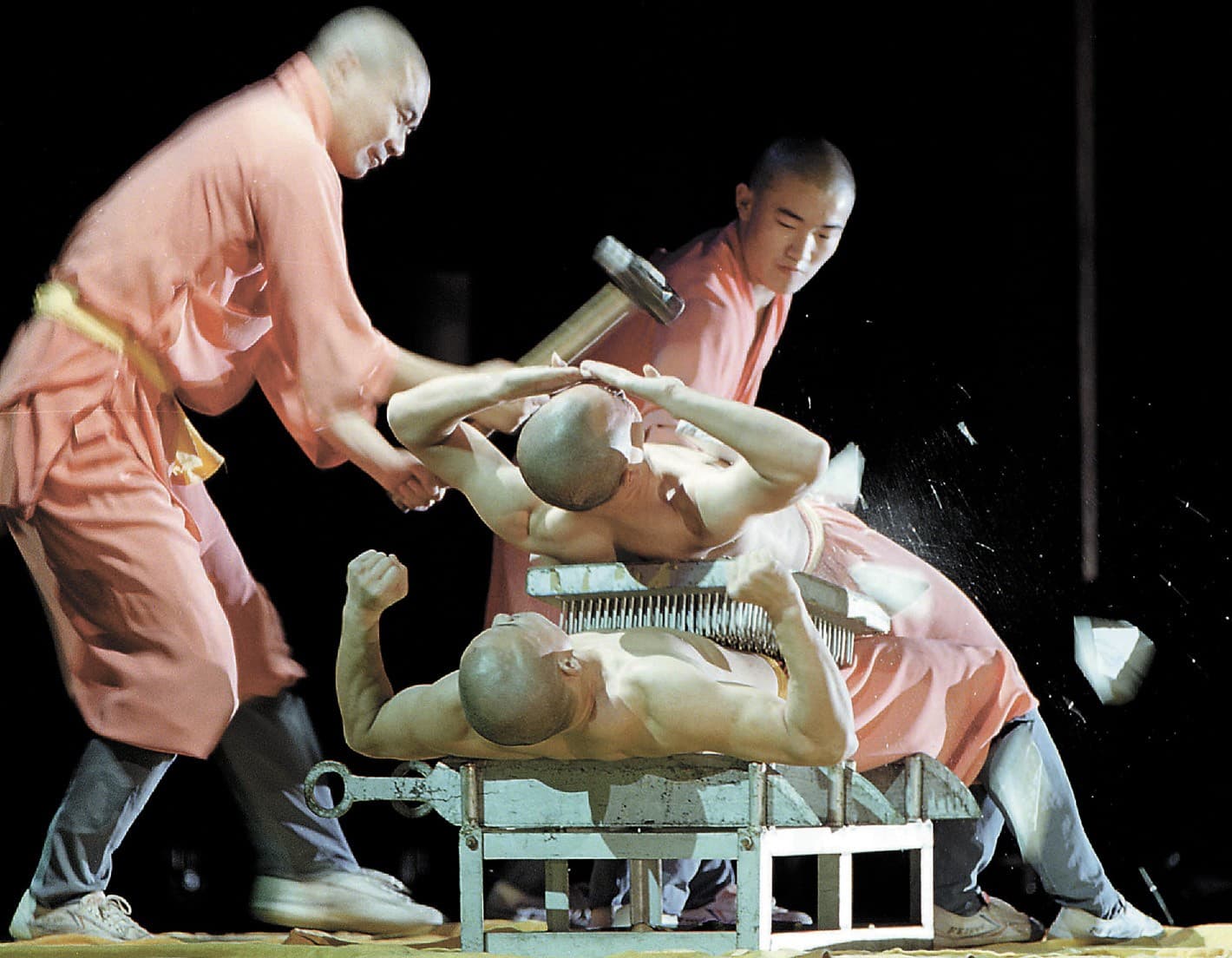
Hard Qi Gong demonstrations from a Shaolin performance.
Our school has its own performance team. You can watch them train at any time and see their shows regularly if you are interested. Hard Qi Gong can also be learned here. There is no fixed timeline: your Shifu decides when you are ready, physically and mentally. The preparation is very hard and takes a lot of dedicated training.
Three stages of Shaolin training
Step by step, the Shaolin way.
1 · Fundamentals
Stances, punches, kicks and conditioning, with an introduction to the philosophy of martial arts.
2 · Application
Forms with and without weapons, punching, kicking, grappling and, if you want, competitions.
3 · Mind and body
Coordination of hands, eyes and steps, Qi, concentration and the balance of hard and soft.
Shaolin training methods
How you progress as a beginner.
Condition and basics first, then forms, then weapons and acrobatics. How fast you progress depends on your fitness, your time and your effort. For a complete beginner, this is realistic:
1 month
About 3 forms, and clearly better condition and flexibility
3 months
4–5 fist forms and 1 weapon form
6 months
5–7 fist forms and 2–3 weapon forms
You can take an exam and receive a certificate after at least two months of training. Competitions and performances are possible, but always voluntary.
Shaolin Kung Fu courses: prices by length of stay
$2901 week
$4902 weeks
$6901 month
$630/month3 months
$610/month6 months
$490/month12 months
VIP prices, all-inclusive: training, room, 3 meals a day and free pickup. The VIP fee is a one-time payment of $50 and lowers your rates for all future stays. We recommend at least four weeks, because most students need about two weeks to get used to the training. All prices and discounts
Free & without obligation
Ready to start your training?
No deposit and no application fee. You only pay after you arrive at the school.
- Start any week
- Invitation letter for your visa
- Free pickup in Zhengzhou
Benefits of Shaolin Kung Fu training
What the training does for you.
Strength & fitnessFull-body training that builds endurance and power.

FlexibilityDaily stretching for supple joints and fewer injuries.

Self-defenceSpeed, timing and coordination you can rely on.

FocusForms and Qi Gong train concentration and clarity.

Less stressBreathing and movement calm body and mind.

ConfidenceDiscipline and progress you can see and feel.
Shaolin Kung Fu training for beginners
Beginners and experienced students.
Beginners
Most students arrive with no martial arts experience. Groups are split by what you want to learn, your level and how long you stay.
Experienced students
More forms and weapons, competitions and performances. If you stay longer, you can also train with our Chinese students, arranged with the Chinese Shifu.
Older students
More Tai Chi and Qi Gong, fast walking instead of running, and plenty of stretching.
With an injury
You train the parts of the body that are fine, for example core and push-ups instead of leg work. You can also watch, take notes and help explain to others.
Shaolin Kung Fu for kids and families
Students of all ages are welcome. Children from 6 years old join together with at least one parent and train with them, and the Shifus adapt the training to their age and level. From 12, teenagers can also come alone, with their parents’ permission and a health report.
Women in Shaolin Kung Fu training
Same classes. Same program.
Women are welcome in every class, from Shaolin Kung Fu to Sanda. There are no separate rules: you follow the same program, and the Shifus adapt the training to your level, just like for every other student.
“Before coming here, I never did any Kung Fu … The support in the group was amazing, and I really started to love training here.”
Anne-Sophie, Switzerland · Read her story
Learn from Shaolin masters
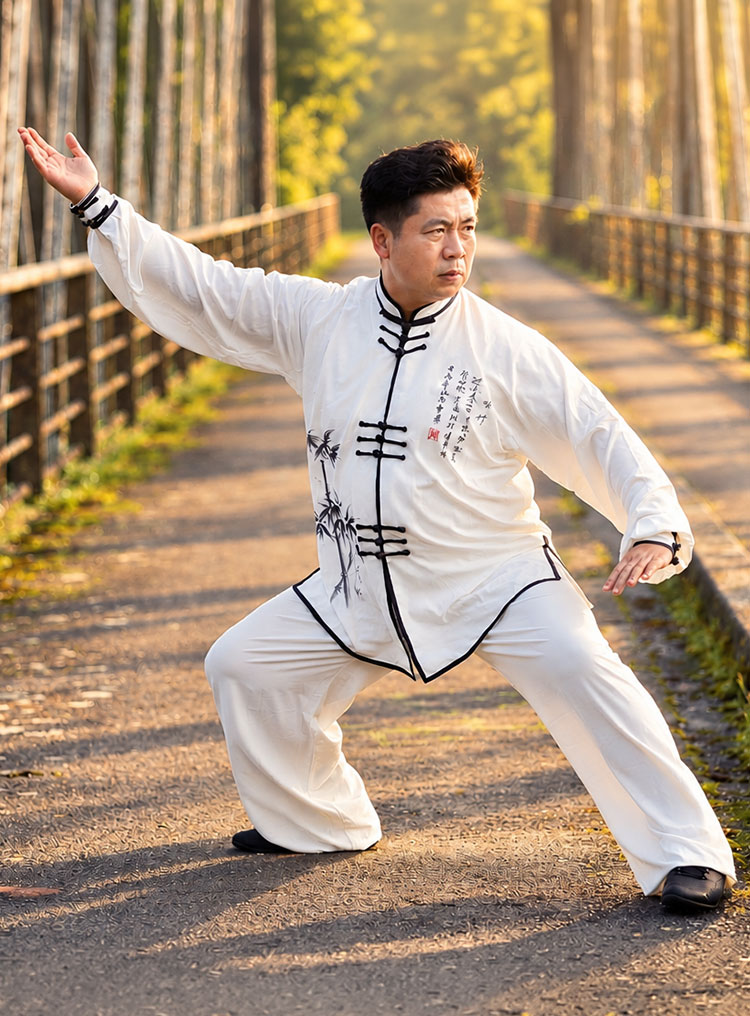
Led by a 32nd-generation Shaolin monk.
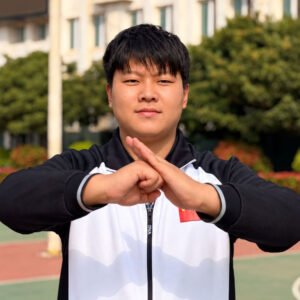
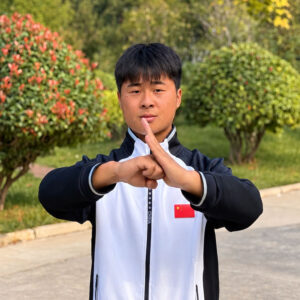
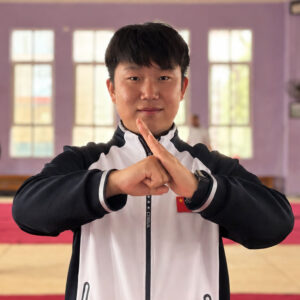
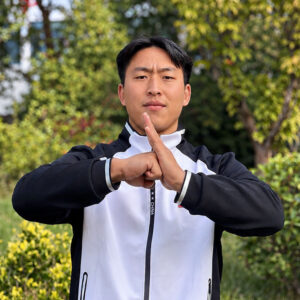
Headmaster Shi Yan Lin leads our Kung Fu school in China. In 2017, the Shaolin Wushu Association of Dengfeng, the home city of the Shaolin Temple, awarded him the honorary title «Famous Shaolin Wushu Master». Our Shifus have trained in traditional Wushu since childhood, and several of them are certified national coaches and referees. They speak English, so you can ask questions and get corrections directly, without a translator.


Student experiences
Kung Fu students in their own words.
“Before coming here, I never did any Kung Fu. It was so nice to see how much progress I could make within this short amount of time.”
Anne-Sophie, Switzerland · 5 weeks · Read more (Anne-Sophie)
“I definitely got stronger and more flexible after 3 months. The longer you stay, the more it feels like family.”
Mahina, New Zealand · 3 months · Read more (Mahina)
“Every training session was an opportunity to grow, to get stronger, and to reconnect with what really matters.”
Hugo, France · 9 months · Read more (Hugo)


Mind and spirit
The Shaolin way.
Shaolin Kung Fu grew out of a Buddhist monastery, and the training is as much about the mind as about the body. Discipline, respect and patience are part of every class. Meditation classes are offered, but always voluntary.
A tree firmly rooted in the ground can withstand even the strongest storms.
Read more: discipline, meditation, Yin and Yang
Discipline and respect
In traditional Kung Fu, you greet your Shifu and your training partners with the Kung Fu salute, arrive on time and keep going even when training gets hard. This discipline is what makes progress possible.
Meditation
Shaolin monks practise Chan meditation (Zen) to calm the mind and sharpen concentration. At our school, meditation is offered, but you decide whether you want to join. More about mindfulness in training.
Yin and Yang
Hard and soft, fast and slow, tension and relaxation: Shaolin Kung Fu is about finding the balance between opposites, the idea behind Yin and Yang. You learn to use strength when it is needed and to stay relaxed in between.
Chinese culture
Chinese classes, a weekly Traditional Chinese Medicine class (with Tui Na, cupping and more, not in July, August or over Chinese New Year) and a Buddhism class on Saturday are part of the week, and you can add Chinese calligraphy or the tea ceremony. Many students also get to know Chinese everyday life, for example when they are invited to a Chinese wedding.
History of Shaolin Kung Fu
From the Shaolin Temple to the world.
- 495 ADShaolin Temple founded on Mount Song, Henan
- LegendBodhidharma teaches the monks to strengthen body and mind
- Tang & MingThe monks become famous fighters, a golden age
- 1980sRevival after the Cultural Revolution
- TodayTrained worldwide. Wushu and Sanda grew from it
Our school lies in the same province, and the temple is one of the places we visit on our regular, optional trips.
Read more: the full history
The Shaolin Temple was founded in 495 AD on Mount Song in Henan, during the Northern Wei dynasty, for the Indian monk Batuo. According to legend, the monk Bodhidharma came to the temple a few decades later. He saw that the monks were too weak for long meditation and taught them exercises to strengthen body and mind. These exercises are seen as the roots of Shaolin Kung Fu.
In the 7th century, Shaolin monks helped the future Tang emperor Li Shimin in battle. In return, the temple received land and privileges, and its monks became famous as fighters. During the Ming dynasty, Shaolin monks fought against pirates on the Chinese coast, and the Shaolin staff became legendary.
The temple was badly damaged by a fire in 1928, and martial arts were suppressed during the Cultural Revolution. In the 1980s, Shaolin Kung Fu came back, helped by the film “Shaolin Temple” (1982). Since 2010, the temple has been part of a UNESCO World Heritage Site. Today, Shaolin Kung Fu is trained all over the world, and modern Wushu and Sanda both grew from traditional Chinese martial arts like it.
FAQ
Shaolin Kung Fu training: your questions.
Can I learn Shaolin Kung Fu with no experience?
Yes. Most of our students are beginners. You start with Gongfu Quan and Wubu Quan, practised on both sides, and build condition, flexibility and basics step by step.
How long should I stay?
You can join for as little as one week. We recommend at least four weeks: after one month you typically know about three forms and feel a clear difference in condition and flexibility.
How many hours a day do you train?
Three to four training sessions a day, with more than six hours of training on average, six days a week. Sunday is your rest day, and the evening class is optional.
Do the Shifus speak English?
Yes. Our Shifus speak English and communicate directly with every student, so you get corrections without a translator.
Can women train Shaolin Kung Fu?
Yes. Women are welcome in every class and follow the same training program as everyone else.
Can I train if I am older or have an injury?
Yes. Older students focus more on Tai Chi and Qi Gong. If you have an injury, you train the parts of the body that are not affected.
Do I get a certificate?
Yes, if you want one. You can take the exam after at least two months of training.
Is Shaolin Kung Fu hard to learn?
It is demanding, but beginners are welcome. Most students need about two weeks to get used to the training and the daily routine. Your Shifu adapts the training to your fitness and level, so you progress step by step.
How long does it take to learn Shaolin Kung Fu?
After one month you typically know about three forms, after three months four to five fist forms and one weapon form, and after six months five to seven fist forms and two to three weapon forms. Mastering Shaolin Kung Fu takes many years of practice.
How much does Shaolin Kung Fu training cost?
With VIP prices, one month costs $690, all-inclusive with training, room, three meals a day and free pickup. One week costs $290, and the monthly price goes down for longer stays, to $490 per month for 12 months. See all prices.
Do I have to become a monk?
No. You train as a student at our school. You do not need to be Buddhist or become a monk, and you choose yourself whether to join meditation.
Can I train at the Shaolin Temple itself?
The Shaolin Temple is an active monastery and a busy tourist site. Like most international students, you train at a Kung Fu school in the region. Our school lies in the same province, and the temple is one of the places we visit on our regular, optional trips.
Can children train Shaolin Kung Fu?
Yes. Children from 6 years old join together with at least one parent and train with them, and the Shifus adapt the training to their age and level. From 12, teenagers can also come alone, with their parents’ permission and a health report.
Can I learn Shaolin hard Qi Gong?
Yes. Hard Qi Gong, such as breaking iron bars on the head or bending a spear with the throat, can be learned at our school. There is no fixed timeline: your Shifu decides when you are ready, physically and mentally. The preparation is very hard and takes a lot of dedicated training.
What is Shaolin Kung Fu?
Shaolin Kung Fu is the martial art of the Shaolin Temple in Henan, China. It combines hard techniques like punches and kicks with breathing, flexibility and forms, with and without weapons, and is one of the oldest and best-known styles of Chinese Kung Fu and martial arts in China.
What does Kung Fu mean?
Kung Fu (功夫, Gongfu) means a skill that you achieve through hard work and time. In the West, the word is used for Chinese martial arts. In China, the term Wushu is used more often.
What is the difference between hard and soft Kung Fu?
Hard styles like Shaolin Kung Fu focus on strength, speed and conditioning. Soft styles like Tai Chi focus on relaxation, breathing and flowing movement. At our school, you can train both.
What should I bring?
Bring your own bath towel and keep your luggage light. You don’t need to bring a water heater or similar equipment. See our list of what to bring.
Combine your training
Mix styles during your stay.
 Shaolin Kung Fu ›
 Wushu ›
 Sanda ›
 Tai Chi ›
 Qi Gong ›
 Lion & Dragon Dance ›